



1. Winged Bean (Psophocarpus tetragonolobus)
Table of Contents
-
Description: A tropical legume where the entire plant is edible. The pods feature four longitudinal frilled wings.
-
Key Benefit: Exceptional plant-based protein and folate levels.
-
Usage: Salads, stir-fries, and tempura.
2. Eggplant (Solanum melongena)
-
Description: Glossy purple skin with a dense, meaty interior.
-
Key Benefit: High in anthocyanins (nasunin) for brain health and fiber for digestion.
-
Usage: Grilling, roasting, and vegan meat alternatives.
3. Thai Eggplant (Solanum virginianum)
-
Description: Small, round, and crunchy. Known for its firm texture that stays “snappy.”
-
Key Benefit: Stimulates digestive juices and contains essential minerals like potassium.
-
Usage: Fermentation, pickling, and Southeast Asian curries.
4. Bitter Eggplant (Solanum aethiopicum)
-
Description: A highland specialty with a characteristic bitter flavor and sweet aftertaste.
-
Key Benefit: Traditionally used for liver detox and blood sugar regulation.
-
Usage: Sautéed with dried meats or used in medicinal herbal infusions.
5. Squash Blossoms (Cucurbita pepo)
-
Description: Edible golden flowers harvested at dawn.
-
Key Benefit: Rich in Vitamin A and antioxidants with very low calories.
-
Usage: Stuffed with cheese, battered for tempura, or added to delicate soups.
6. Spaghetti Squash (Cucurbita pepo var. fastigata)
-
Description: Flesh shreds into long, noodle-like strands after cooking.
-
Key Benefit: The ultimate low-carb, keto-friendly alternative to grain pasta.
-
Usage: Topped with pasta sauces or used in healthy gratins.
7. Baby Squash (Cucurbita pepo)
-
Description: Immature pumpkin harvested for its soft skin and succulent flesh.
-
Key Benefit: High in Vitamin C and folate; supports immune and prenatal health.
-
Usage: Quick stir-fries, steaming, or added to light stews.
8. Waxy Corn (Zea mays var. ceratina)
-
Description: Known for its “glutinous” or chewy texture due to high amylopectin content.
-
Key Benefit: Sustained energy release and gluten-free carbohydrates.
-
Usage: Steamed, boiled, or used in traditional sweet puddings.
9. Sweet Corn (Zea mays convar. saccharata)
-
Description: Golden kernels with high natural sugar and a juicy, crisp snap.
-
Key Benefit: High in Lutein and Zeaxanthin for long-term eye health.
-
Usage: Fresh salads, chowders, and BBQ grilling.
10. Purple Corn (Zea mays L.)
-
Description: Deep purple hue caused by massive concentrations of anthocyanins.
-
Key Benefit: Powerful anti-inflammatory and antioxidant properties.
-
Usage: Functional beverages, natural food coloring, and health snacks.
11. Annatto Seeds (Bixa orellana)
-
Description: Small triangular seeds used as a natural coloring agent.
-
Key Benefit: Rich in bixin (pigment) and tocotrienols (Vitamin E).
-
Usage: Infusing oils for a vibrant red-orange color in broths and marinades.
12. Wild Forest Chestnuts (Castanea spp.)
-
Description: Small, dense, and sweet nuts harvested from high-altitude forests.
-
Key Benefit: Rich in complex carbs and Vitamin C (rare for nuts).
-
Usage: Roasted over charcoal or braised in savory meat stews.
13. Black Jujube (Zizyphus sativa Mill)
-
Description: Steamed and smoked jujube with a glossy black, wrinkled surface.
-
Key Benefit: A blood and energy () tonic in traditional wellness practices.
-
Usage: Medicinal soups, herbal teas, and tonic infusions.
14. Dried Longan Pulp (Dimocarpus longan)
-
Description: Seedless, golden-brown dried flesh of the longan fruit.
-
Key Benefit: Supports heart health, calms the mind, and improves sleep quality.
-
Usage: Rejuvenating sweet soups and herbal tea blends.
15. Lychee (Litchi chinensis)
-
Description: Tropical fruit with red skin, translucent flesh, and a floral aroma.
-
Key Benefit: Immunity booster with exceptionally high Vitamin C content.
-
Usage: Fresh consumption, cocktails, and premium desserts.
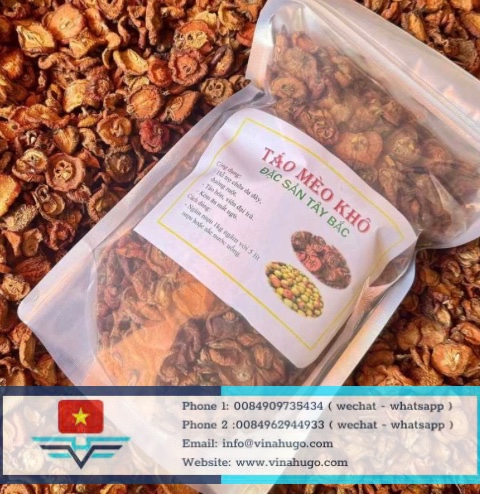
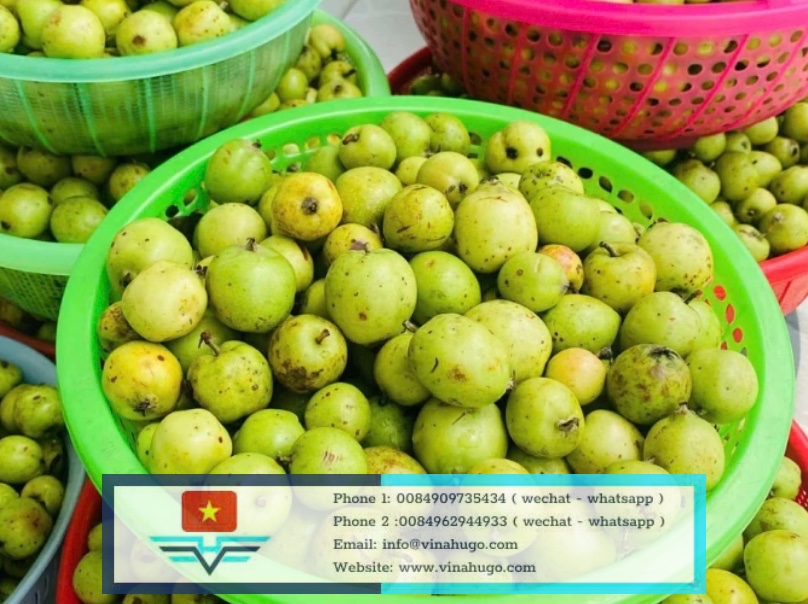
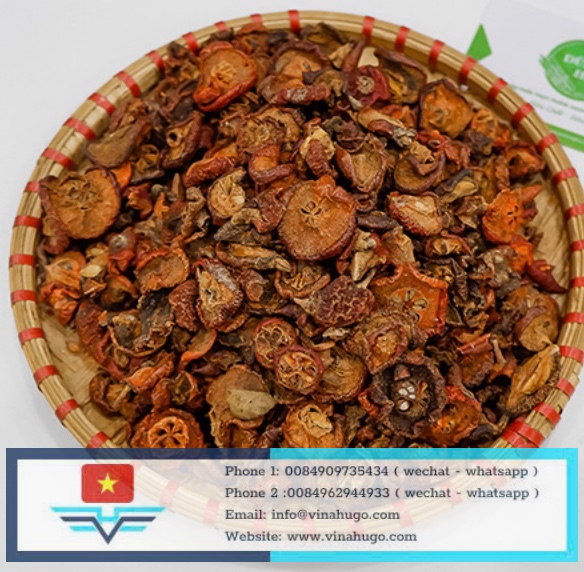
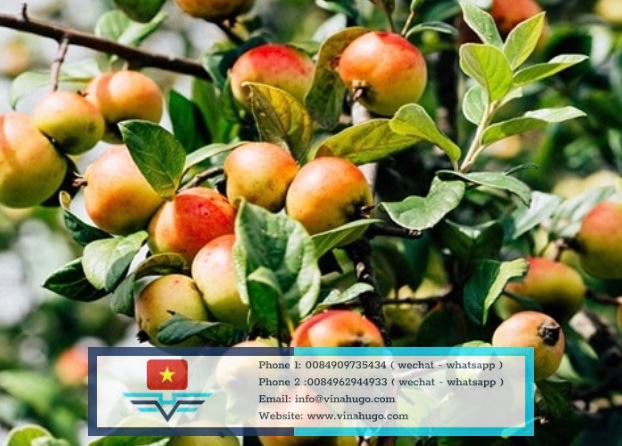
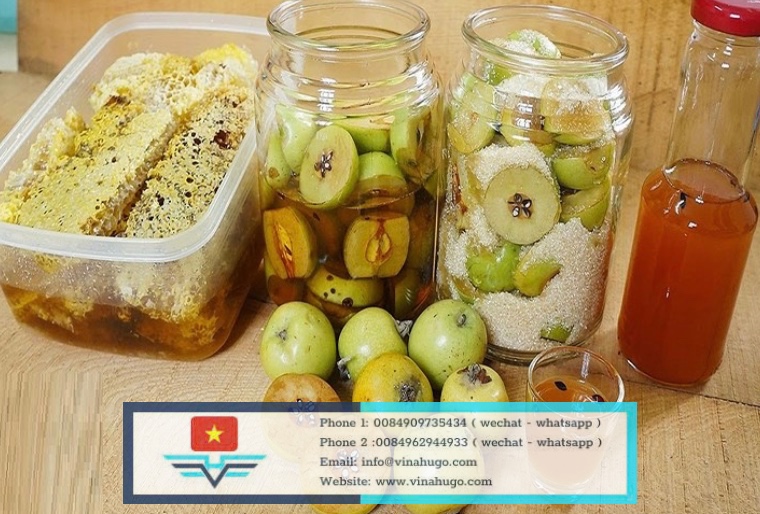
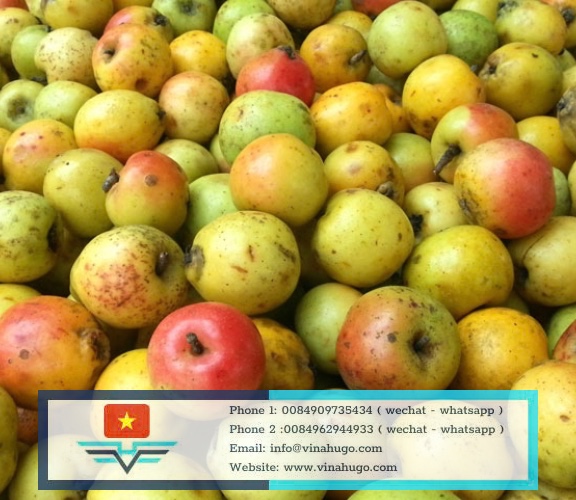
16. Docynia Indica (Docynia indica)
-
Description: A wild highland fruit with a tart, woody, and slightly bitter profile.
-
Key Benefit: Aids digestion, lowers cholesterol, and supports cardiovascular health.
-
Usage: Fermented ciders, medicinal spirits, and herbal vinegars.
VINAHUGO CO., LTD 📞 Phone: +84 909 735 434 (WeChat – WhatsApp)
📧 Email: info@vinahugo.com | vinahugo.info@gmail.com
🌐 Website: vinahugo.com


