
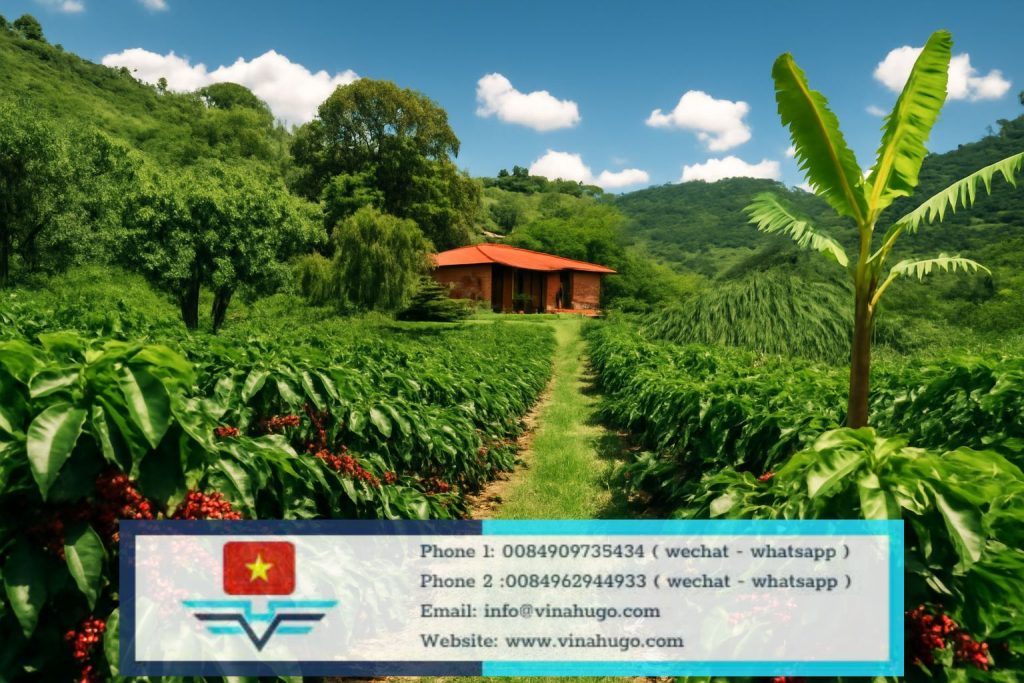
Coffee producers in Central America are using profits from high coffee seasons to diversify their income streams by planting other crops and offering coffee farm tours, in order to mitigate the impact of price fluctuations during the harvest.
According to Nancy Mendez, communications manager at the Guatemalan Coffee Association, coffee farmers learned from the 2000 price drop that when coffee prices fall, they often have no other source of income.
Coffee industry authorities in the region hope that by diversifying income streams, they can help protect the interests of coffee farmers when prices decline, allowing them to continue producing. When farmers replace old, low-yielding coffee trees, they plant crops like bananas and avocados, which can provide shade for the coffee plants.
Rafael Ventura, a coffee producer with an output of about 800 bags of 60kg each season, shares that, in addition to producing other crops, he rents part of his coffee farm for weddings, parties, and celebrations. He also built a house on the farm where tourists can enjoy breakfast and stay overnight to learn about coffee cultivation. This initiative has helped increase his family’s income.
The coffee tourism model is also being adopted in Mexico and Costa Rica. Coffee growers in Honduras have started charging fees for farm tours and coffee harvesting experiences, which also contributes to the farm’s profitability.
When prices drop, many farmers face losses and are forced to abandon production. However, Central American coffee producers have now found ways to use profits from high-price seasons to diversify their business activities, thereby mitigating agricultural risks.