
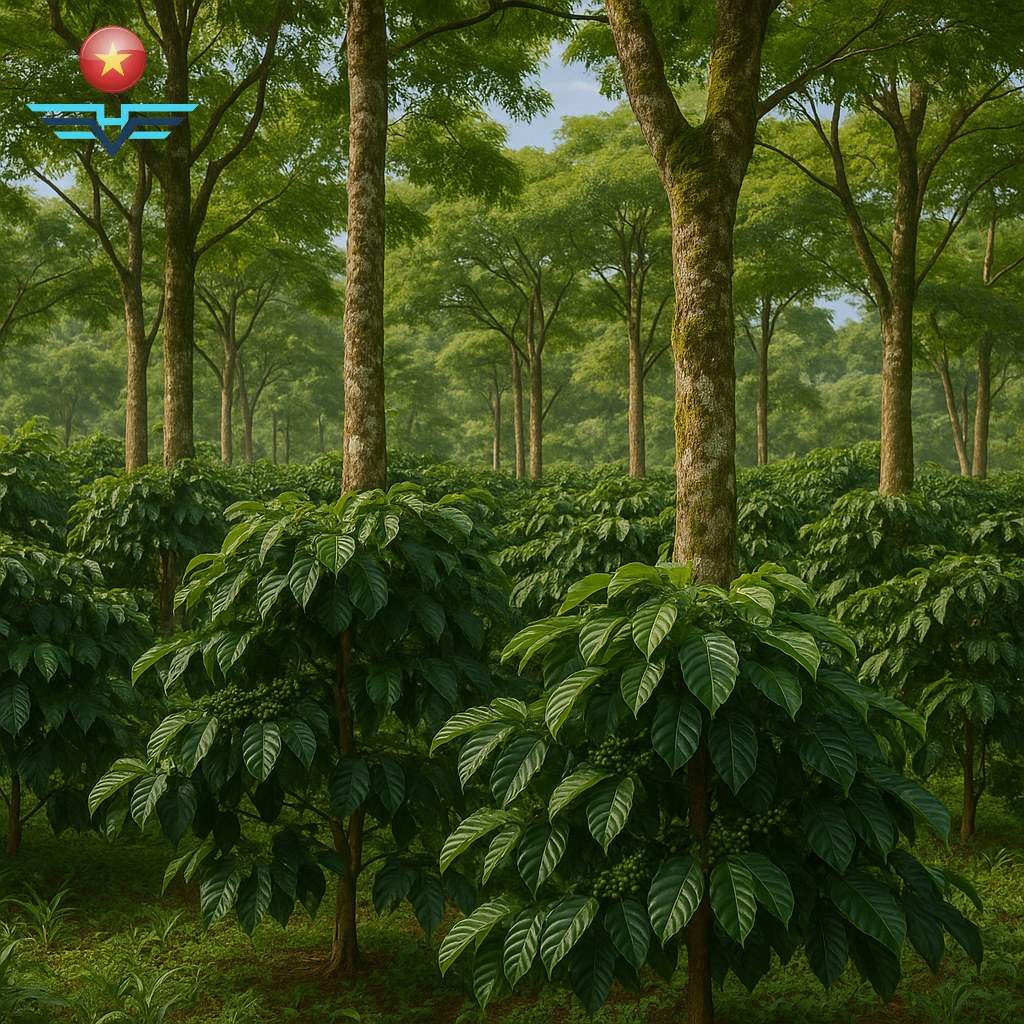
Shade-grown coffee—cultivating coffee beneath a natural forest canopy—is a centuries-old practice in Latin America that is making a comeback as farmers and consumers seek environmentally friendly, climate-resilient coffee production.
Biodiversity Benefits
Table of Contents
A Natural Habitat for Wildlife
Scientific studies show that coffee trees grown under a forest canopy provide:
-
Habitat for around 150 species of birds.
-
Shelter for mammals, beetles, ants, amphibians, and epiphytic plants.
This biodiversity-rich environment helps protect many species from the risk of extinction and supports healthy ecosystems.
Farmer Advantages
Reduced Chemical Use
-
Shade-grown coffee typically requires little to no pesticides or chemical fertilizers.
-
Farmers can also harvest fruits, firewood, timber, and medicinal plants from the shade trees—diversifying income and improving food security.
Longer-Lived Coffee Plants
-
Though yields are lower per acre, shade-grown coffee trees live about twice as long as sun-grown trees.
-
Farmers can intercrop other food or cash crops, which:
-
Reduces soil erosion.
-
Helps limit acid rain effects.
-
Economic Challenges and Pressures
Shift Toward Sun-Grown Coffee
Over the past 30 years, many shade farms were converted to high-yield sun plantations to increase profits:
-
Shade trees were cut down, exposing coffee to full sunlight.
-
Farmers became dependent on synthetic fertilizers, herbicides, and pesticides.
While sun-grown coffee can yield higher short-term profits, it often forces farmers to abandon traditional methods and use more agrochemicals.
The Price Gap
Despite coffee’s premium retail price—about USD 11.10 per pound—farmers often earn only about 50 cents per pound, and many workers are paid as little as 12 cents per hour.
To survive financially, many farmers buy more land, putting forests and biodiversity at risk instead of maintaining shade coffee cultivation.
Shade Coffee’s Market Advantage
Better Returns for Farmers
-
Farmers can capture around 80% of the final retail price for bird-friendly, shade-grown coffee.
-
Consumers often find shade-grown coffee has a less bitter, more aromatic flavor, and it costs little more than conventional coffee.
Climate-Change Resilience
Protection from Extreme Weather
A Bioscience journal report highlights that shade-grown coffee farms:
-
Withstand drought, heat, and extreme weather more effectively than sun farms.
-
Tall canopy trees protect coffee plants, reducing the impacts of climate change on ecosystems and farmer livelihoods.
Shade-grown coffee combines environmental stewardship, climate resilience, and better income opportunities for farmers. By supporting this traditional, eco-friendly farming method, consumers and coffee companies help preserve biodiversity, combat climate change, and ensure that farmers can continue to produce high-quality, aromatic coffee for generations to come.