

What Are Microbial Fertilizers?
Table of Contents
Microbial fertilizers are bio-products containing beneficial microorganisms—bacteria, fungi, and actinomycetes—used to enrich soil and stimulate plant growth. Key groups include:
-
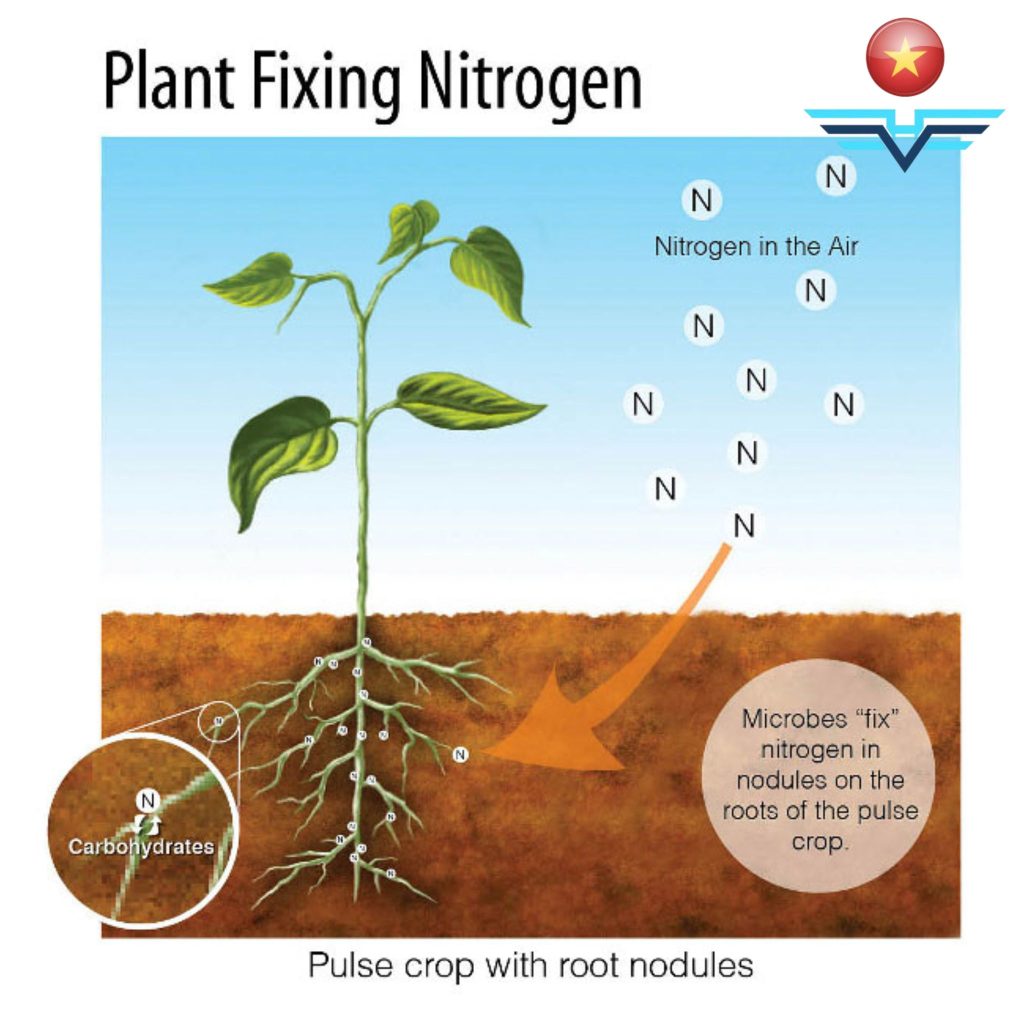
Nitrogen-fixing microbes that capture nitrogen from the air.
-
Phosphate-solubilizing microbes (PSM) that convert insoluble phosphorus into plant-available form.
-
Growth-promoting microbes that enhance root development and boost crop resilience.
These microorganisms are cultured in laboratories, then mixed with carriers such as peat and packaged for agricultural use.
Nitrogen-Fixing Microorganisms
Important species include Cyanobacteria (blue-green algae), Azotobacter, Bradyrhizobium, Rhizobium, Actinomyces, and Klebsiella.
-
Most live in symbiosis with legumes, forming root nodules that supply plants with nitrogen while using plant carbohydrates to grow.
-
Blue-green algae (such as those associated with Azolla) enrich soils by naturally adding nitrogen.
Modern biotechnology has even developed genetically enhanced strains with higher nitrogen-fixing capacity and stronger soil competitiveness.
Commercial products in Vietnam include:
-
Nitragin – Rhizobium for soybean nodules
-
Rhidafo – Rhizobium for peanut roots
-
Azotobacterin – free-living nitrogen-fixing bacteria
-
Azozin – nitrogen-fixing bacteria for rice fields, applied by mixing with seeds.
Phosphate-Solubilizing Microorganisms (PSM)
Plants can only absorb phosphorus in soluble form, yet many soils lock phosphorus in insoluble compounds. PSM such as Aspergillus niger, Pseudomonas, Bacillus, and Micrococcus release organic acids to make phosphorus plant-available.
-
VA mycorrhiza fungi also supply phosphorus, copper, zinc, and iron while boosting yields in crops like citrus, apple, and coffee.
-
Products such as Phospho-bacterin contain bacteria that convert organic phosphorus into soluble nutrients.
Plant Growth–Promoting Microbes
This diverse group of bacteria, fungi, and actinomycetes stimulates seed germination, root formation, and overall plant health. Effective Microorganisms (EM)—developed by Prof. Teruo Higa of Japan—combine lactic acid bacteria, yeast, actinomycetes, and photosynthetic bacteria.
Benefits of EM:
-
Improve soil physical and biological properties
-
Reduce soil-borne pathogens
-
Increase efficiency of organic fertilizers
-
Enhance crop quality and yield
-
Support cleaner environments and even improve livestock digestion and aquaculture water quality.
Usage and Storage Guidelines
-
Application: Commonly mixed with moistened seeds (1 kg microbial fertilizer per 100 kg seeds) 10–20 minutes before sowing.
-
Shelf life: Typically 1–6 months; always check manufacturing and expiry dates.
-
Storage: Keep in a cool, shaded place below 30 °C. High heat or direct sunlight reduces microbial activity.
-
Soil conditions: Best results occur on well-drained soils and upland crops under suitable climate.
Key Takeaway
Microbial fertilizers are living bio-inputs that naturally improve soil fertility and plant growth. By integrating them with organic matter and careful soil management, farmers can reduce chemical fertilizer use while maintaining high yields and sustainable soil health.