
Nearly USD 1 Billion in Rice Imports in Nine Months
Table of Contents
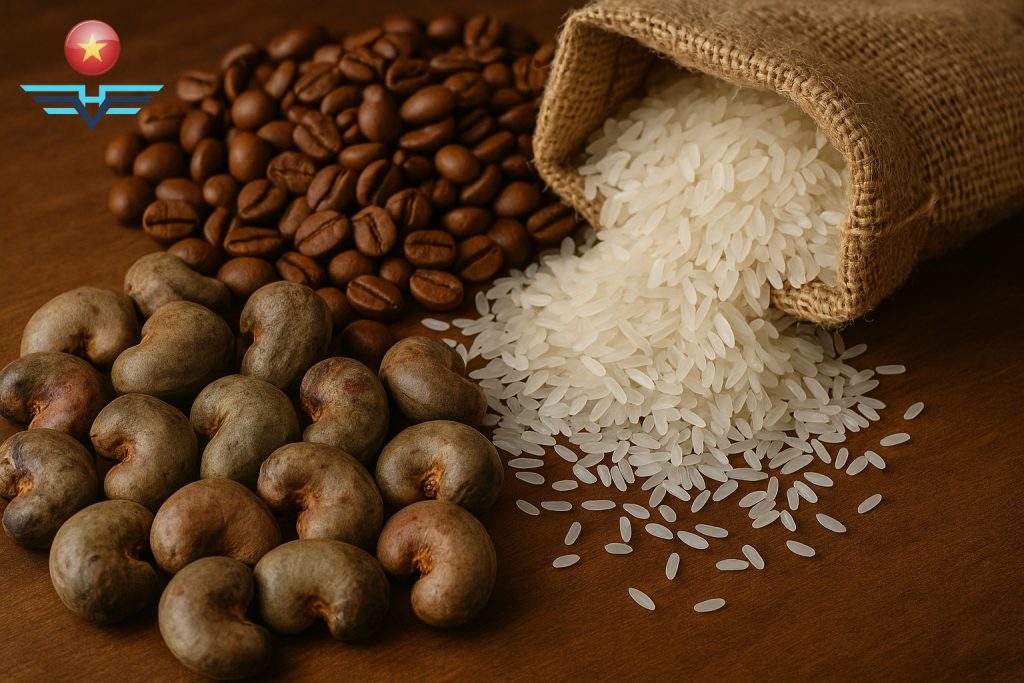
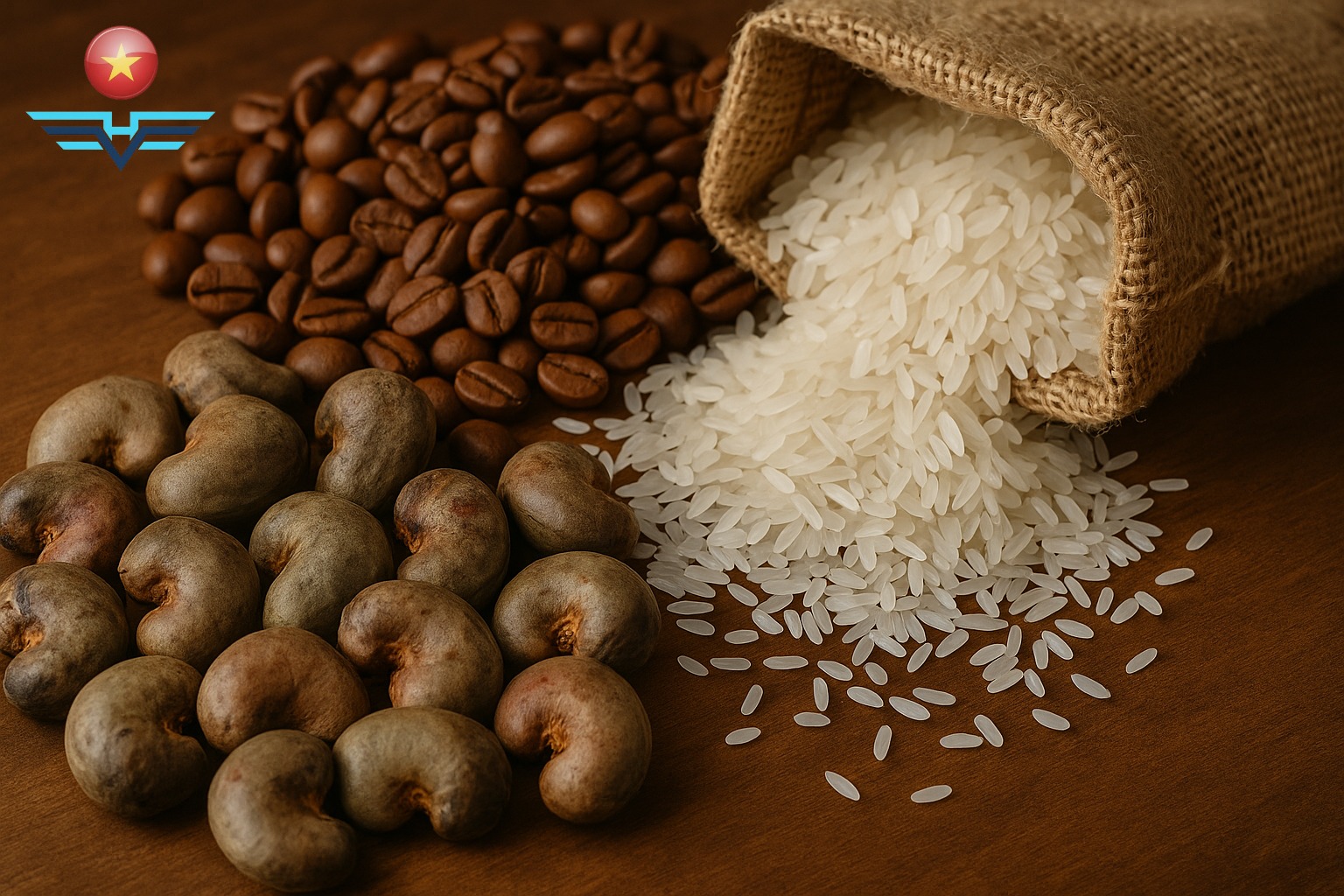
During January–September 2024, Vietnam imported rice worth about USD 996 million, nearly matching the total of USD 860 million in all of 2023—a clear sign that rice imports are climbing year after year.
In the same period, Vietnam exported over 7 million tons of rice worth USD 4.37 billion, underlining the country’s dual role as both a leading exporter and an active importer to meet domestic and re-export needs.
Cashew Industry Relies Heavily on Imported Raw Nuts
Vietnam surpassed India in 2006 to become the world’s largest exporter of processed cashew kernels, but this success depends on importing vast amounts of raw cashew nuts for processing.
-
2023 figures: 2.75 million tons of raw cashews imported, worth USD 3.17 billion—up 45.7% in volume and nearly 19% in value from 2022.
-
2023 exports: 644,120 tons of processed kernels, valued at USD 3.64 billion.
-
First 7 months of 2024: cashew exports reached 424,000 tons worth USD 2.37 billion, up 26.4% in volume and 22% in value year-on-year. Over the same period, raw cashew imports totaled 1.8 million tons worth USD 2.2 billion, up 6% in volume and 3.3% in value.
Coffee Imports Continue to Climb
Vietnam’s coffee sector also imports increasing quantities to support processing and re-export:
-
2022–2023 crop year: about 102,100 tons worth USD 300 million, up 14% in volume and 9% in value over 2021–2022.
-
2021–2022 crop year: 98,600 tons worth USD 246 million, rises of 19% in volume and 23% in value from the year before.
According to the Vietnam Coffee-Cocoa Association (VICOFA), coffee imports come mainly from Laos, while raw cashews and rice are sourced largely from Cambodia.
Strategic Sourcing from Neighbors
A recent USDA report projects Vietnam’s 2024 rice exports at 8.3–8.6 million tons, while the country will import 2.6–2.9 million tons of rice from Cambodia—essentially the same amount Cambodia exports for the year.
While the Philippines and Indonesia remain among Vietnam’s largest rice export markets, Cambodia is Vietnam’s largest source of rice imports.
Officials from the Ministry of Agriculture and Rural Development explain that in today’s global trade environment, this strategy is both normal and necessary. Vietnam’s strong export markets and advanced logistics allow businesses to diversify supply sources, ensuring they can meet rising export demand even when local production fluctuates.
Importing rice, raw cashews, and coffee—even as a top exporter—has become a strategic move that strengthens Vietnam’s position in the global agricultural supply chain and supports the country’s growing export commitments