
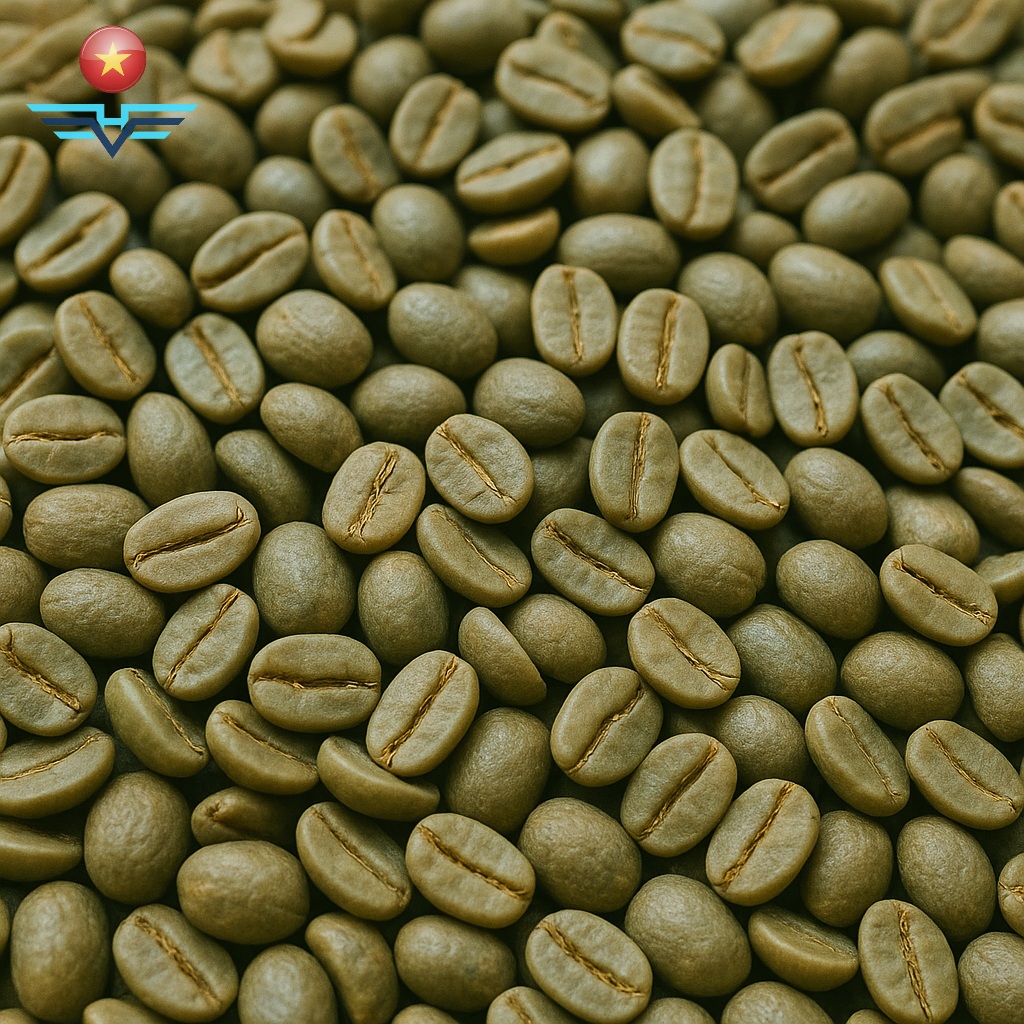
Vietnam has become a global leader in sustainable coffee cultivation. More than 200,000 hectares are now certified under international sustainability programs, with the largest share meeting the 4C standard.
According to Phạm Đồng Quảng, Deputy Director of the Department of Crop Production, coffee is a pioneer crop for Vietnam’s sustainable agriculture. By October 2013, around 145,000 hectares of coffee had achieved 4C certification, producing over 500,000 tons of beans. About 82,000 farming households participate in the program, which promotes:
-
Balanced fertilizer use
-
Responsible pesticide application
-
Lower input costs
-
Higher coffee quality
Benefits for Farmers and Businesses
Table of Contents
Nguyễn Tấn Trung, a coffee farmer in Di Linh (Lâm Đồng), confirms the impact:
“The sustainable coffee program has brought clear benefits: we fertilize more efficiently, irrigate properly, and improve drying and processing methods, which has raised coffee quality.”
Businesses also see clear results. After implementing the 4C program on 19,121 hectares with an output of 63,975 tons, Intimex Group plans to expand to nearly 30,000 hectares, involving about 20,000 households and reaching 110,000 tons of certified output.
The Major Challenge: Selling Certified Coffee
Despite the growth in certified production, marketing certified coffee remains difficult:
-
4C-certified coffee: A large share is still not purchased by major international roasters, even though leading buyers pledged to buy the entire certified crop.
-
UTZ-certified coffee: Only 50,000 tons have been sold out of more than 140,000 tons produced.
Đỗ Hà Nam, General Director of Intimex Group, points to value-added tax (VAT) fraud as a key reason:
“Coffee without invoices—often linked to tax evasion—fetches higher prices than certified coffee, which must be sold with proper invoices. This VAT fraud has become a major barrier to the sustainable coffee program.”
At times, Intimex could not sign 4C contracts even after offering a $40 per-ton premium (including $15 for farmers) and ended up selling only 53% of the 4C-certified coffee produced.
Double Registration and “Double Dipping”
Because of premiums for sustainable coffee, some growers register the same coffee plots for multiple certifications with different companies to collect bonuses without actually selling certified beans. This practice means the real area and volume of genuinely certified coffee may be lower than official figures suggest.
National Targets Under Pressure
Vietnam aims to have:
-
50% of coffee area (≈300,000 ha) under sustainable cultivation by 2015
-
80% (≈480,000 ha) by 2020
However, unless the marketing and VAT fraud issues are addressed quickly, these targets will be hard to achieve despite the strong growth in certified coffee production.