
Key National Targets Already Exceeded
Table of Contents
According to Prime Minister’s Decision 124/QĐ-TTg, Vietnam set ambitious agricultural development goals through 2020 with a 2030 vision. Yet many of these targets were met—and even surpassed—years ahead of schedule:
-
Rice: The 2020 target was 41–43 million tons. By 2011, Vietnam already had 7.7 million hectares of rice with an average yield of 5.5 tons/ha, producing over 42 million tons—two million more than 2010, reaching the 2020 goal eight years early.
-
Rubber: The plan called for 800,000 hectares by 2020, but by 2011 Vietnam had 834,000 hectares—exceeding the goal by 34,000 hectares, excluding another 20,000 hectares planned by the Vietnam Rubber Group.
-
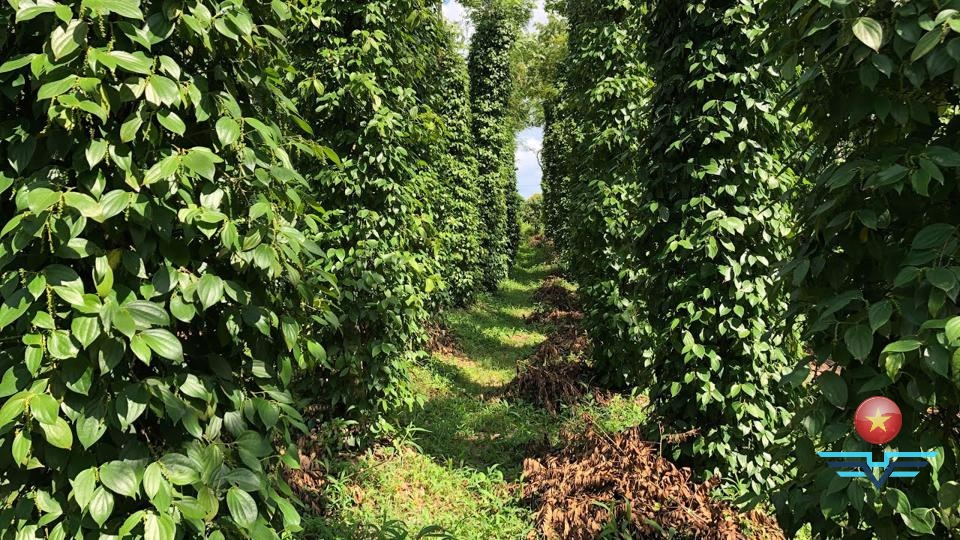
Pepper: Decision 124 aimed to stabilize at 50,000 hectares, but high market prices pushed the national total well beyond this figure.
-
Coffee: Surpassed the 500,000-hectare target, now at over 550,000 hectares.
Market Forces Drive Crop Shifts
Agricultural experts explain that farmers quickly adjust to market value. Crops offering higher profitability—such as rubber and pepper—are expanding, while less profitable crops are shrinking:
-
Sugarcane: Tây Ninh planned to expand to 37,000 hectares by 2015, but Vice-Chairman Huỳnh Văn Quang admits this is difficult as sugarcane earns far less than rubber or cassava, making it hard to convince farmers to plant more.
-
Cashew: Decision 124 targeted 400,000 hectares by 2020, but Vietnam Cashew Association (Vinacas) projects only 300,000–330,000 hectares. Cashew is losing ground to rubber and pepper, and experts emphasize improving productivity through science and technology rather than simply increasing land area.
Population Growth Raises Future Food Security Concerns
Vietnam’s population was 85.8 million in April 2009 and grows by around 947,000 people annually, projected to reach 100 million by 2020 and 110 million by 2030.
-
By 2030, total rice output may reach about 44 million tons, but if per-capita rice consumption remains stable, exports could shrink dramatically.
-
Lê Văn Bảnh, Director of the Mekong Delta Rice Institute, warns that maintaining the planned 3.8 million hectares of rice land may be impossible. Provinces such as Cần Thơ have already approved land conversions—for example, 1,800 hectares of farmland repurposed for other uses.
Outlook: Balancing Growth and Sustainability
Vietnam’s agricultural sector has shown remarkable growth, surpassing key 2020 targets ahead of time. Yet market-driven crop shifts, land conversion, and rapid population growth create new challenges:
-
Ensuring food security as rice exports may decline.
-
Supporting scientific and technical innovation to boost productivity in crops like cashew.
-
Balancing economic opportunities with the need to preserve strategic crops such as rice.
These issues highlight the importance of forward-looking policies to maintain Vietnam’s role as a leading agricultural exporter while safeguarding national food security.