
Decree 15/2010 Doubles Fines but Violations Keep Rising
Table of Contents
Decree 15/2010/NĐ-CP, effective since April 2010, significantly increased penalties for administrative violations in fertilizer production and trading. Yet, instead of reducing fraud, counterfeit and substandard fertilizers continue to flood the market, posing serious risks to farmers and the agricultural sector.
Poor Quality Fertilizers “From the Factory to the Doorstep”
Fertilizer manufacturing requires strict technology and quality control, but weak oversight has allowed many operators to ignore basic standards.
-
Phú Xuân Co. Ltd. (Ea H’leo): Despite a registered capital of 2 billion VND, the so-called “factory” was merely an empty lot and a ramshackle shed. Production involved mixing soil and colored powder, bagging it, and selling it as fertilizer. When production was suspended, the director casually returned the business license.
-
Cư Êbur commune & Thành Nhất ward (Buôn Ma Thuột): Operations were even cruder—breaking soil with a mallet, mixing in starch paste, bagging it, and selling it as fertilizer.
-
Several so-called “bio-fertilizer” plants, even with technology-transfer papers, had no technical staff, machinery, or proper production lines. Fermentation, blending, and packaging were done entirely by hand.
Result: Fertilizer products with unverified nutrient content, poor quality, and operations that fail environmental standards.
Hidden Operations and Unapproved Products
-
Thiên Phúc Fertilizer Company (Cư M’gar district): Operated behind tightly closed gates, unnoticed until inspectors found two fertilizer types not on the approved list.
-
Other Buôn Ma Thuột inspections revealed fertilizers produced without certified quality and operations that failed to meet environmental standards.
Although these small facilities produce limited output, their products represent a serious risk to farmers’ crops and income.
Imported Fertilizers Also Pose a Major Threat
The problem is not limited to local producers. Imported fertilizers, which account for a large share of Đắk Lắk’s market, are frequently substandard or counterfeit.
-
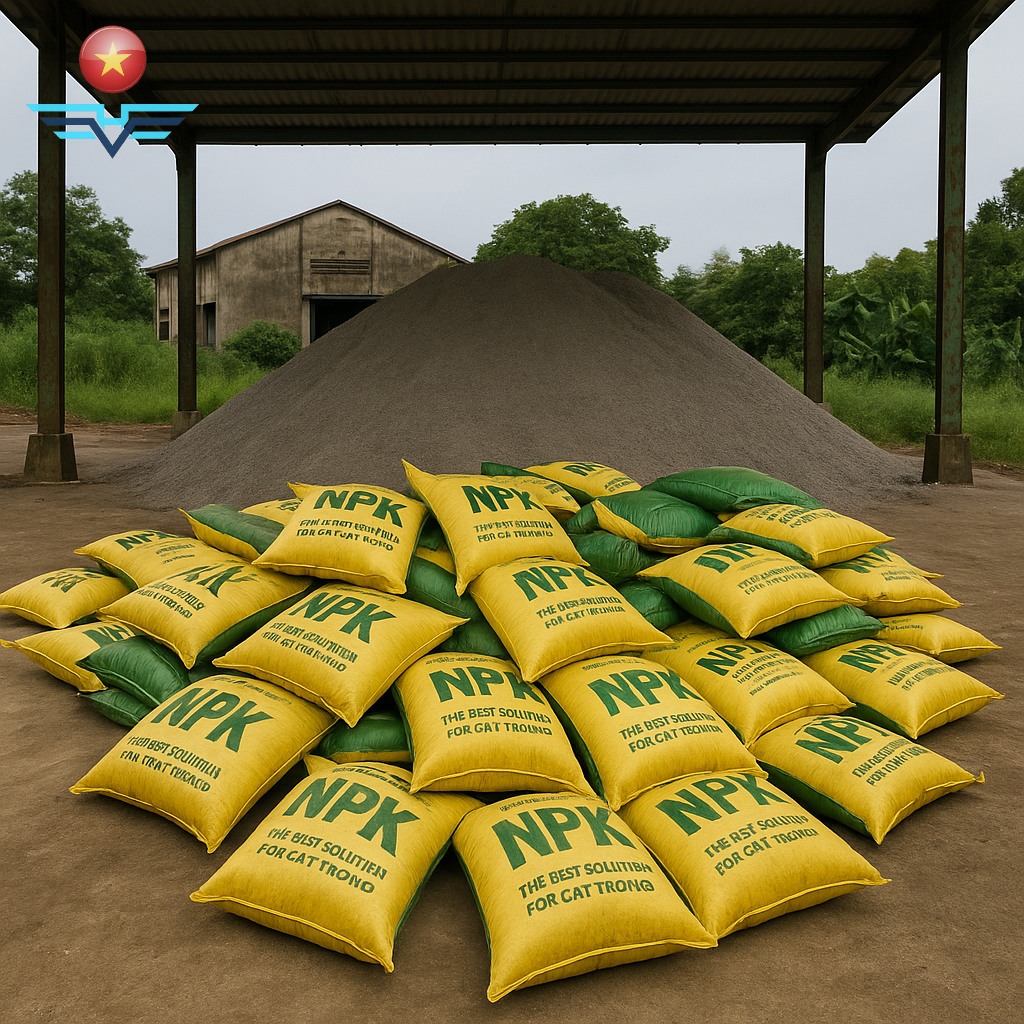
NPK fertilizers are especially vulnerable: high demand and low prices make them easy targets for dilution and fake production.
-
Inspections in Ho Chi Minh City, Đồng Nai, and Bình Dương uncovered large counterfeit fertilizer shipments bound for the Central Highlands.
Alarming Test Results
-
The Southern Center for Standards, Metrology and Quality (No. 3) found that recent shipments of NPK from Malaysia’s OsakanGroup S/B and fertilizers such as DAP, NPK, SA, calcium ammonium nitrate, and KNO₃ from China all contained nutrient levels far below registered quality standards.
-
Ho Chi Minh City Customs recently fined a company importing 63 tons of Vimax 3.3.3 organic fertilizer from Malaysia that failed to meet Vietnam’s import quality requirements.
Despite Decree 15/2010’s tougher fines, counterfeit and low-quality fertilizers remain rampant:
-
Lax enforcement allows both domestic and imported substandard fertilizers to circulate freely.
-
Farmers risk crop damage and lost income, while honest businesses face unfair competition.
-
Urgent government action is needed to tighten inspections, enforce penalties, and protect Vietnam’s agricultural productivity.