
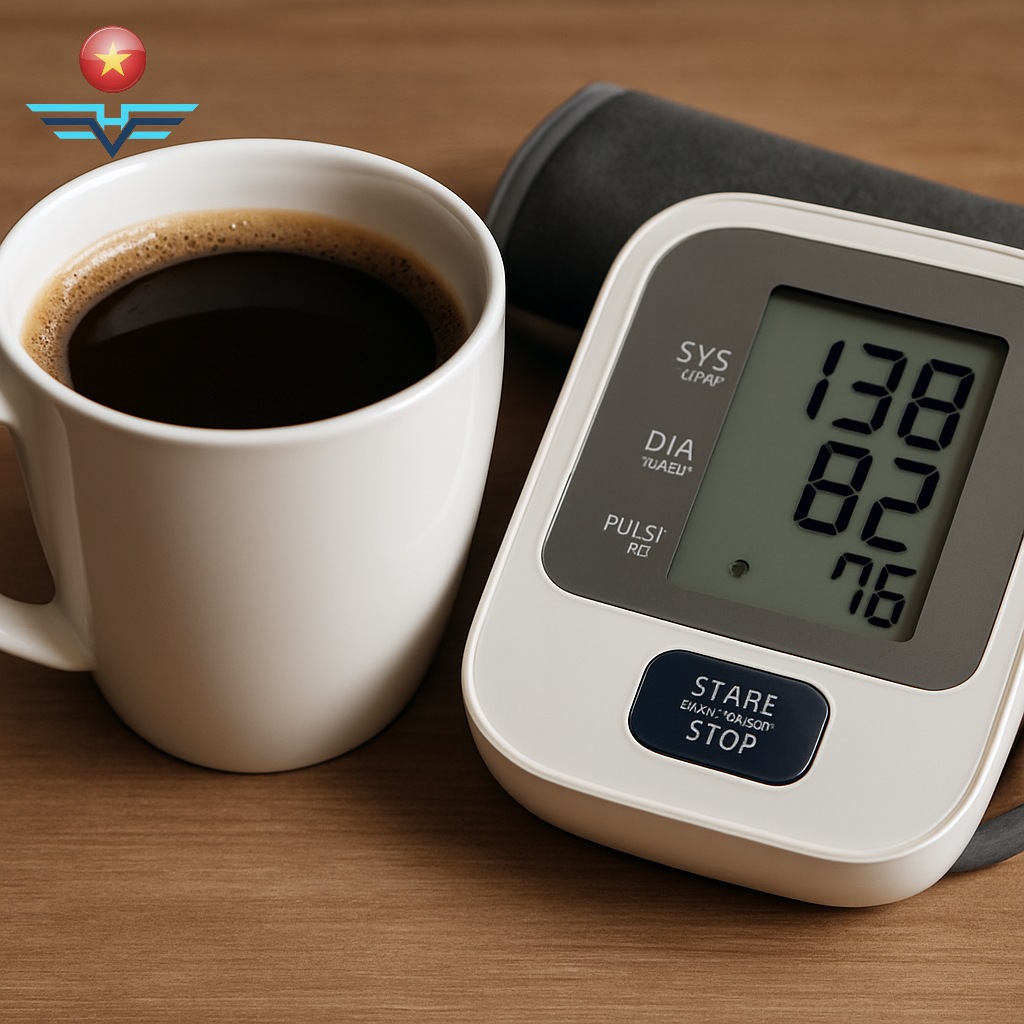
Many people believe that coffee negatively impacts heart health by raising blood pressure, causing irregular heartbeat, or increasing the risk of heart attack.
However, earlier studies often failed to consider other risk factors for heart disease in coffee drinkers—such as obesity and smoking.
What Recent Studies Show
Table of Contents
More recent research has focused on individuals of normal weight, who don’t smoke and have no underlying health conditions. Findings show that drinking 1–3 cups of coffee a day does not worsen cardiovascular disease. In fact, moderate coffee consumption may help lower the risk of heart failure and improve overall heart health.
Still, coffee is not a substitute for prescribed treatments such as regular exercise, a heart-healthy diet, or doctor-recommended medication.
Heart Palpitations and Caffeine
Some people experience heart palpitations—fast or pounding heartbeat—after drinking coffee. This is because caffeine can create a temporary sensation of jitteriness or irregular rhythm. Although uncomfortable, these symptoms are generally not dangerous and usually disappear within a few hours.
In fact, there’s no evidence that coffee causes long-term arrhythmias. Some studies even suggest it may reduce the risk of atrial fibrillation.
Coffee and Blood Pressure
For occasional coffee drinkers, caffeine may raise blood pressure by about 10 mmHg shortly after consumption. But in people who drink coffee regularly, the same amount of caffeine has little to no effect on blood pressure.
Drinking 1–3 cups of coffee daily typically does not raise blood pressure.
Practical Advice
If you already drink coffee daily and later develop high blood pressure, you don’t need to give up coffee entirely. If you notice temporary symptoms such as a rapid heartbeat, mild nausea, or discomfort after a cup, take a short rest, breathe deeply, or do some light activity. Over time, your body usually adjusts to daily caffeine intake.
If you continue to experience discomfort despite long-term coffee drinking, consider switching to healthier alternatives such as fresh juices, smoothies, or detox water. And always keep your regular check-ups so your doctor can monitor your blood pressure and adjust your medication if necessary.