
Drinking too much caffeine each day can lead to insomnia, anxiety, restlessness, irritability, headaches, and even diarrhea.
For many people, a cup of coffee is the only way to start the morning. For others, a caffeinated drink is essential to beat that mid-afternoon slump. Caffeine certainly helps you feel more energetic and mentally alert. But there is a safe daily limit you should know to protect your health.
What is Caffeine?
Table of Contents
Writing on Eat This, U.S. dietitian Lauren Manaker explains that before asking how much caffeine is safe, it helps to understand what it actually is:
“Caffeine is a stimulant. Specifically, it stimulates the central nervous system, creating a feeling of alertness about an hour after you drink it,” Manaker says.
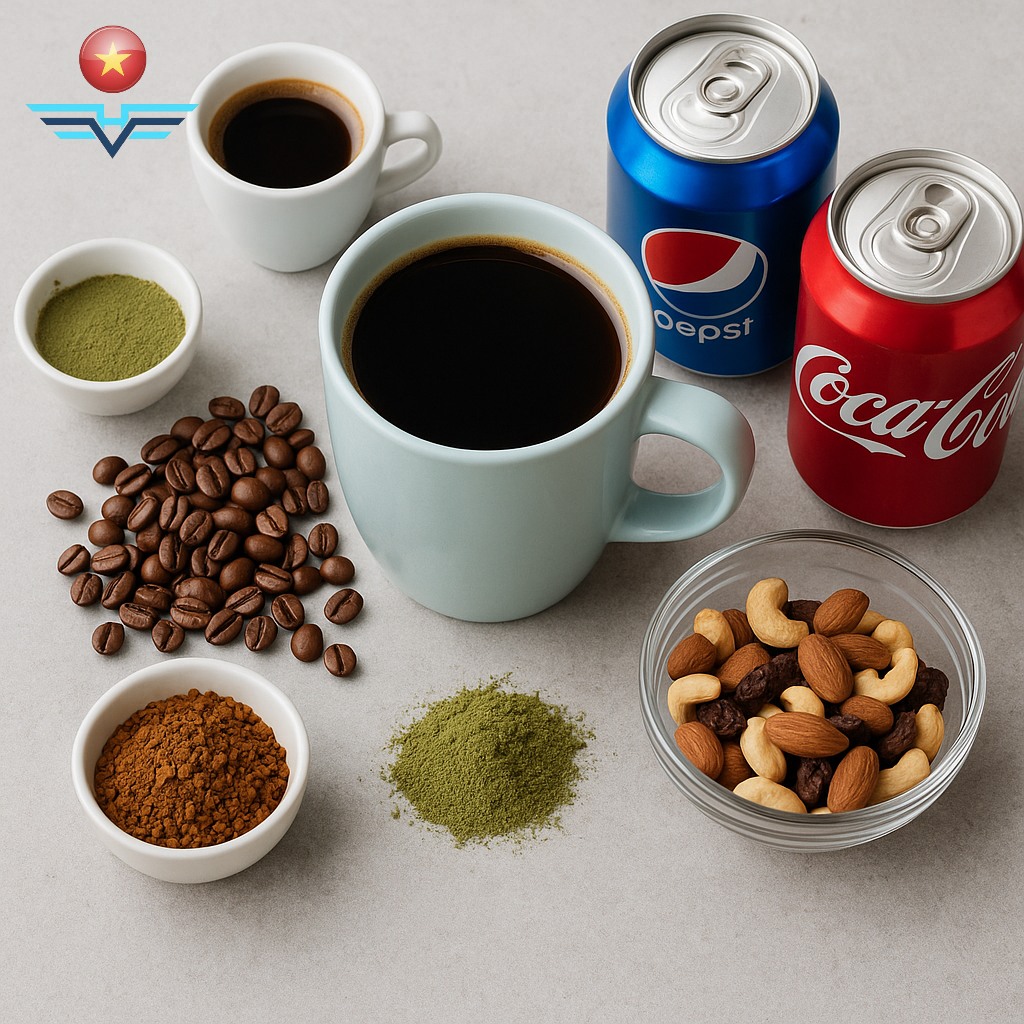
Caffeine occurs naturally in coffee beans, cocoa beans, kola nuts, tea leaves, and guarana fruit. It is also added to sodas and many other foods and beverages.
How Much is “Enough”?
According to Manaker, the maximum amount of caffeine someone can safely consume depends on factors such as pregnancy, age, heart health, and whether the person has anxiety. These conditions may require avoiding or strictly limiting caffeine.
The U.S. Food and Drug Administration (FDA) advises that most healthy adults should limit caffeine to no more than 400 mg per day—roughly the amount in 3–5 cups of brewed coffee.
For pregnant women, the American College of Obstetricians and Gynecologists recommends a maximum of 200 mg per day, though some experts advise avoiding caffeine altogether.
When Is It Too Much?
For healthy adults, more than 400 mg of caffeine daily is generally considered excessive. It’s surprisingly easy to surpass this threshold if you drink multiple coffees or energy drinks.
There have been reports of seizures and rapid heart rate after heavy consumption of energy drinks, though it’s hard to know if caffeine alone—or other ingredients—caused these effects.
Excessive caffeine intake can cause:
-
Insomnia
-
Anxiety and restlessness
-
Irritability and headaches
-
Stomach discomfort or diarrhea
Caffeine may also overstimulate the digestive tract, triggering stomach pain in some people. If you experience these symptoms, talk to a doctor about how much caffeine is right for you.
Approximate Caffeine in 6 Common Drinks
-
Brewed coffee (250 ml): 70 – 140 mg (varies by bean and brew method)
-
Espresso (30 ml/1 oz): about 64 mg
-
Black tea (per cup): 47 – 50 mg (depending on tea type and steeping time)
-
Green tea (per cup): 29 – 50 mg
-
Coke (350 ml can): 34 mg
-
Pepsi (350 ml can): 38 mg
Energy Without Caffeine
Caffeine isn’t the only way to stay energized. To feel alert while cutting back:
-
Get regular exercise.
-
Expose yourself to natural sunlight (with sunscreen and a hat).
-
Stay hydrated throughout the day.
-
Prioritize quality sleep every night.
-
Have a balanced mid-day snack with carbs, protein, and fiber.
These habits can help you maintain energy and focus—without relying on that extra cup of coffee.