
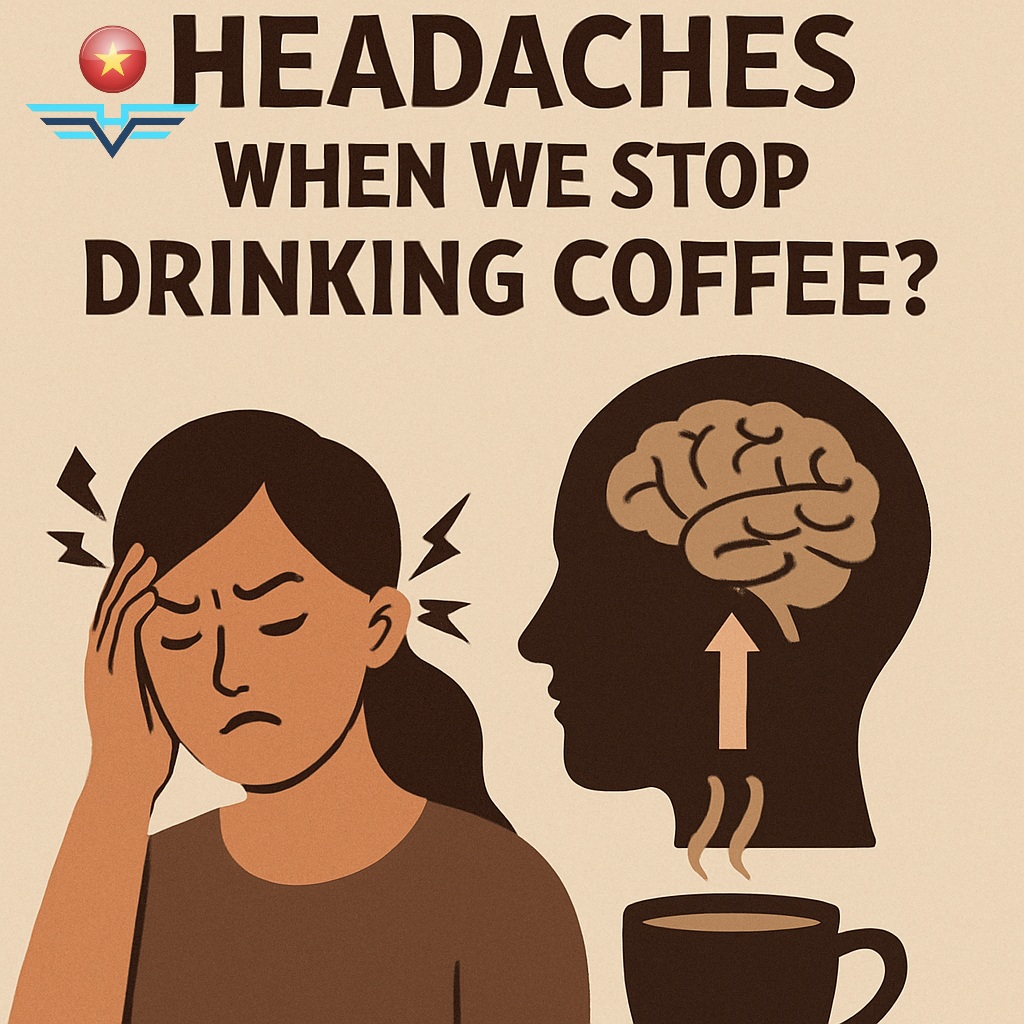
Anyone who drinks coffee knows how addictive it can be. Yet because coffee tastes good and keeps you alert all morning, you may willingly accept the risks of caffeine—even the pounding headache that strikes after just one day without it.
Much like a typical headache, caffeine withdrawal can make your head feel like it’s about to explode.
Science now explains why this happens. Once you start drinking coffee regularly, your body quickly becomes dependent on it. Most coffee drinkers will tell you they can’t get through the day without their daily cup—and they’re not exaggerating.
Here’s what happens inside your brain: Caffeine binds to receptors meant for a neurotransmitter called adenosine. Normally, adenosine promotes drowsiness, but caffeine blocks this action, which is why you stay awake after drinking coffee.
In response, the brain tries to compensate by producing more adenosine receptors to counter the effects of caffeine. So if you suddenly cut back on caffeine, your brain still has an excess of these receptors and continues to pump out adenosine.
When caffeine levels drop, those receptors are no longer “blocked,” and the natural sleep-inducing chemicals flood your brain. The result: you feel drowsy, sluggish, and develop a throbbing headache. That’s why drinking something with caffeine—such as coffee or soda—can make the headache disappear.
If you typically drink more than four cups of coffee a day, it’s best to cut back gradually. You may experience withdrawal headaches at first, but they will ease over time—and that discomfort is far better than living with chronic insomnia caused by excessive caffeine.