
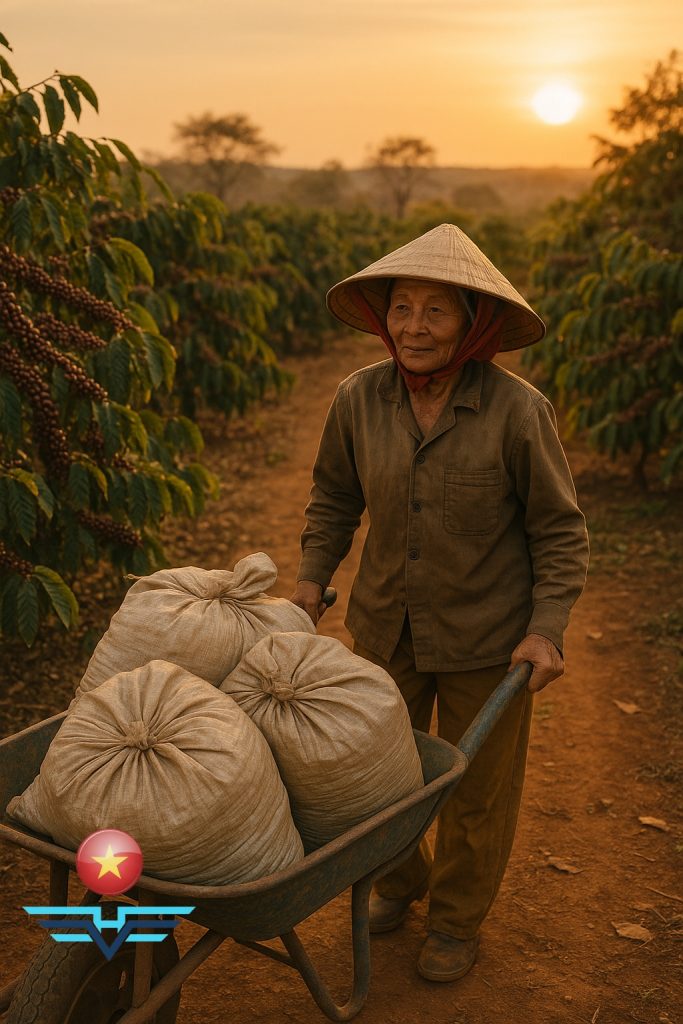
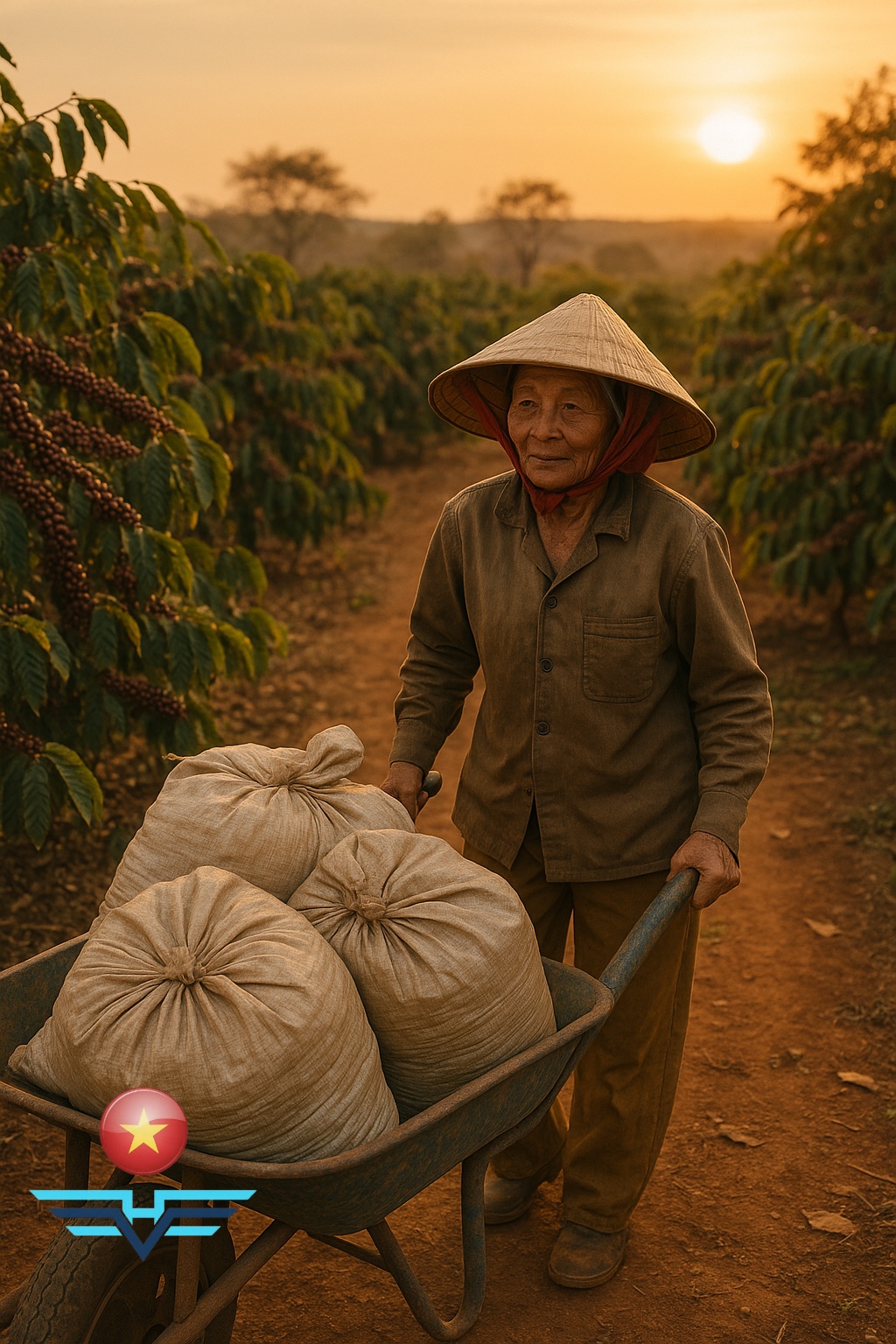
While rubber growers in the Southeast and rice farmers in the Mekong Delta are celebrating a bumper harvest and shopping for Tet, coffee farmers in Vietnam’s Central Highlands face a gloomy new year. They must fight an early drought while worrying about the fate of the coffee they’ve consigned to local dealers amid a spreading wave of debt defaults.
Fighting Early Drought
This year, the weather has been unusually erratic. Rains that fell a month ago—dubbed “golden rains” by many—helped farmers save on the cost of pumping water for irrigation. But after the downpour, an intense, unseasonal heat set in, signaling that the dry season would arrive earlier than usual.
Normally, by the 28th day of the lunar year, women would be at the market shopping for Tet goods while men cleaned the house or strolled the flower market in downtown Buon Ma Thuot. Instead, many now rush to their coffee fields to give the final round of irrigation before dismantling and storing their pumps. Families who own pumps can breathe easier, but those who must hire pumping services often have to wait until others finish watering their plots; some are still working in the fields on the very eve of Tet.
“If coffee plants go too long without water, the cherries will shrink and yields will drop,” one farmer explained. Dak Lak province, with nearly 190,000 hectares of coffee, benefited from the rare off-season rains, which postponed irrigation once—but also pushed the next watering to right before the holiday. In some areas, so many farms pump at the same time that the power grid overloads, causing frequent blackouts and making irrigation even harder.
Nguyen Bao Tran, a coffee grower on the outskirts of Buon Ma Thuot, described the lively hum of people and pumping machines in the fields: “It’s like everyone is celebrating Tet right on the coffee farm.”
No Money for Tet
Meanwhile, a series of defaults among coffee dealers has sparked widespread anxiety. What began with a few small agents unable to repay coffee consigned by farmers has spread like a chain reaction. There are even reports of some large companies collapsing under hundreds of billions of dong in unpaid consignments.
Nguyen Duy, a local coffee farmer, said that as Tet approaches, dealers are lining up to declare bankruptcy. “Anyone who has coffee stored with them is worried sick,” he said. “Prices are already dropping sharply—too low to sell profitably—and even if you want to sell, many dealers simply don’t have the cash to pay.”
For coffee farmers, the freshly harvested beans are their lifeline—the source of money for their children’s schooling, Tet celebrations, and fuel for irrigation pumps. Now, with prices falling and many dealers unable to pay, they fear not just poor profits but the possibility of losing everything, with no clear path to recover their earnings.