
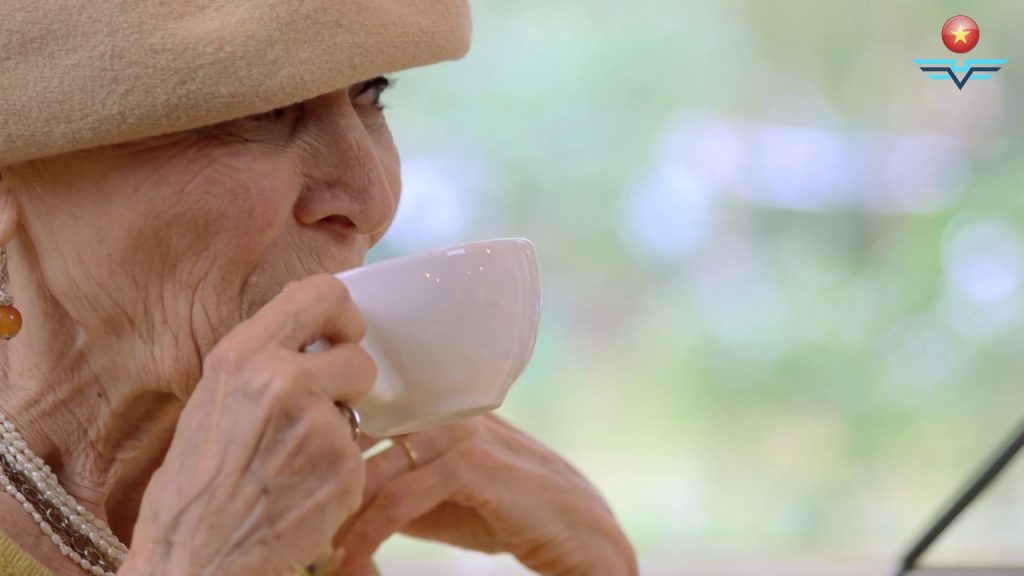
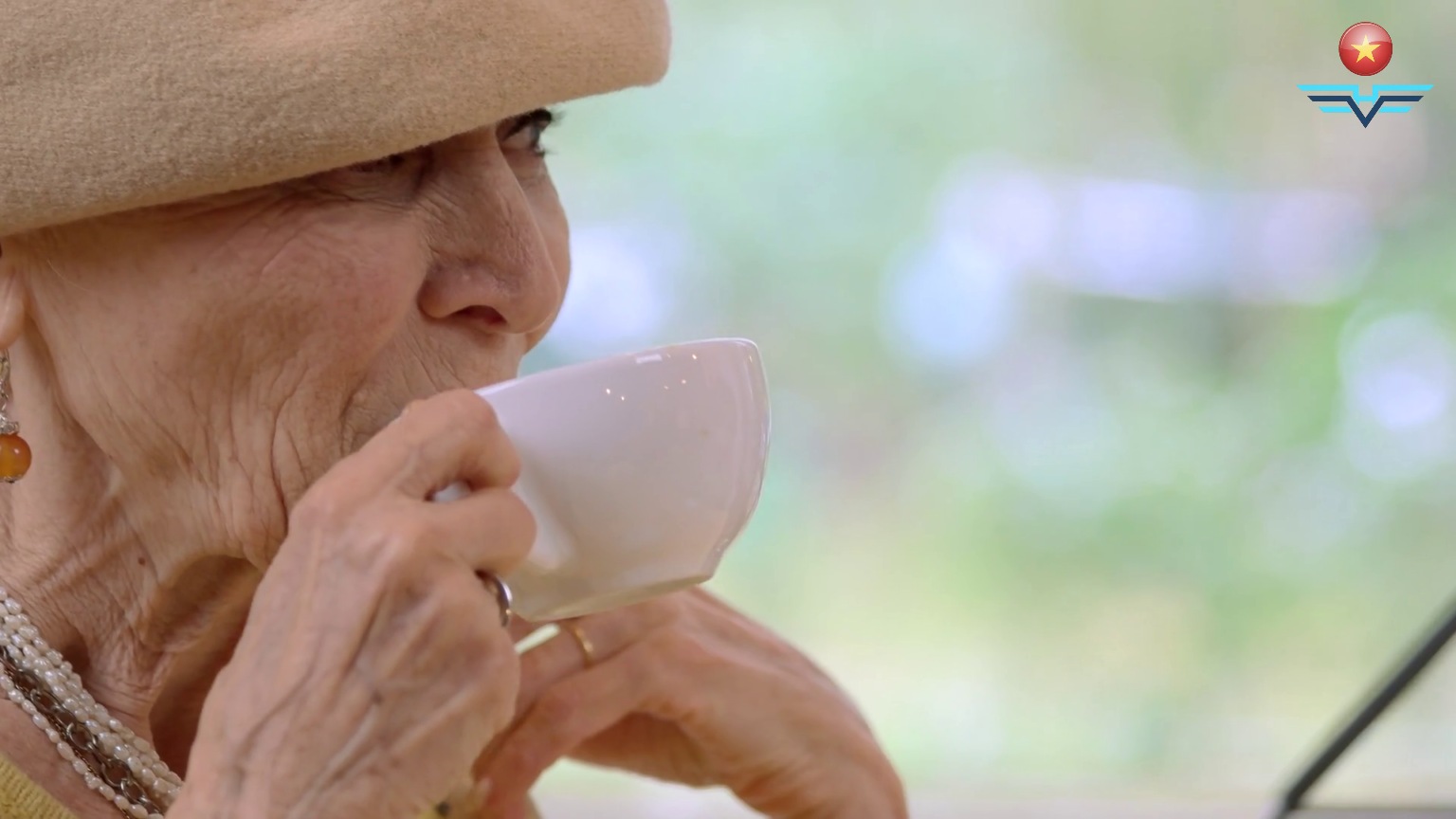
Coffee is a beverage naturally rich in caffeine, which helps reduce fatigue and effectively improves concentration. Notably, several studies have also found that caffeine may help older women fight memory loss.
According to Reader’s Digest, citing information from the U.S. Food and Drug Administration (FDA), the safe daily limit of caffeine intake for a healthy adult (excluding pregnant women) is up to 400 mg per day.
The FDA also notes that consuming caffeine above this safe threshold can temporarily affect heart rate and blood pressure in healthy individuals, and may pose serious risks for people with a history of cardiovascular disease.
Even so, the health benefits of caffeine for otherwise healthy people are undeniable.
Research published in The Journals of Gerontology shows that caffeine may help protect against memory decline, including Alzheimer’s disease.
In that study, women aged 65 and older who consumed an average of 261 mg of caffeine per day—about 2 to 3 cups of coffee—over a period of 10 years were reported to have fewer symptoms of dementia compared to those who consumed much less caffeine, averaging only 64 mg per day.