
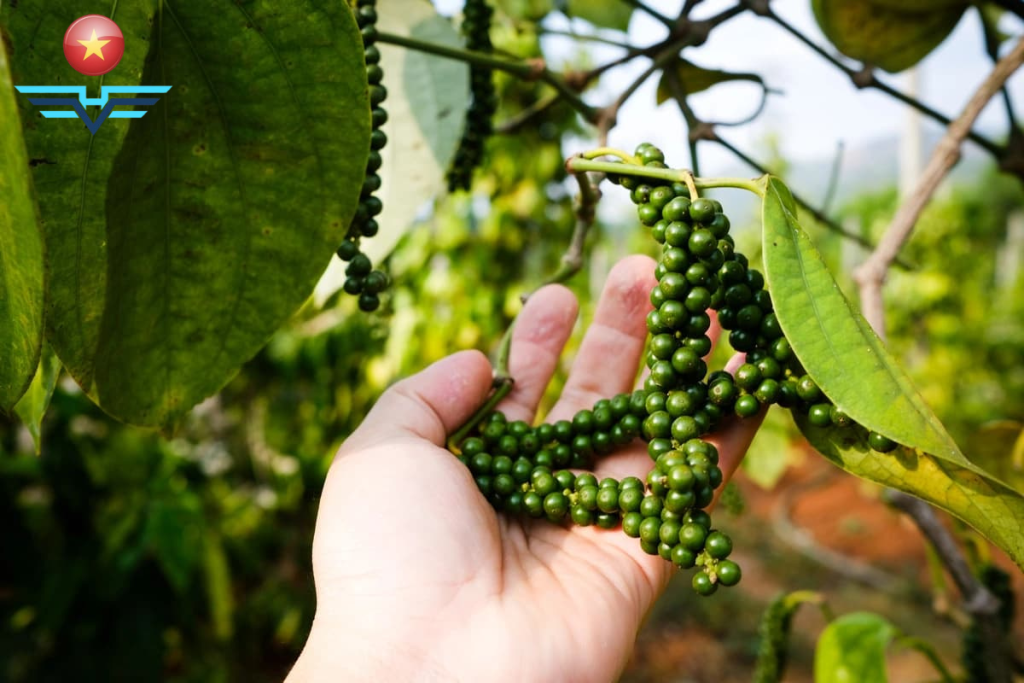
Black pepper (Vietnamese: hạt tiêu), a familiar spice in Vietnamese kitchens, is prized for the aromatic flavor it lends to countless dishes. Yet beyond its role as a seasoning, black pepper offers a range of remarkable health benefits that many people may not know.
Traditional and Medicinal Properties
Table of Contents
According to the reference book “Medicinal Plants, Remedies and Special Drugs” by pharmacists Pham Thiep, Le Van Thuan and Bui Van Chuong, black pepper (Piper nigrum L.) is a climbing vine cultivated widely.
In traditional Eastern medicine, black pepper is described as pungent and hot, entering the stomach and large intestine meridians. It is believed to dispel cold, relieve pain, aid digestion and prevent nausea. Common uses include treating abdominal pain from cold, vomiting, and indigestion.
Herbalist Bùi Đắc Sáng of the Hanoi Oriental Medicine Association adds that black pepper stimulates gastric and pancreatic secretions, enhancing digestion. It also has antiseptic properties and can repel insects, which is why pepper is sometimes used to protect woolen clothes from moths.
Key Active Compound: Piperine
Black pepper contains piperine, a natural compound with impressive health effects:
-
Cancer prevention: Studies show piperine may help inhibit the growth of certain cancer cells.
-
Weight and metabolic support: Piperine has been linked to reduced body weight, lower triglycerides and LDL cholesterol, while increasing beneficial HDL cholesterol.
-
Blood sugar and blood pressure control: Antioxidant and antibacterial properties help stabilize blood glucose and support heart health.
-
Fat-burning benefits: It may help the body burn excess fat more efficiently.
Folk Remedies with Black Pepper
In Vietnamese folk medicine, black pepper is often used to stimulate digestion and relieve pain. Typical daily dosage is 1–3 g in powder or pill form. Some traditional remedies include:
-
Indigestion or stomach pain from cold: Boil 2–4 g of black pepper and drink as a decoction, or take as powdered pills.
-
Stomachache from cold (pepper porridge): Cook 5 g of pepper powder with 50–60 g of rice to make porridge; sprinkle the pepper while the porridge is hot and eat warm.
-
Constipation and bloating: Crush 21 peppercorns, boil with 200 ml water until reduced to 100 ml, strain, add 20 g mang tiêu (a traditional herbal ingredient) and drink.
-
Toothache relief: Mix equal parts black pepper and tất bát herb, grind to powder, blend with beeswax to form small pellets. Crush one pellet and place it on the aching tooth.
Use with Care
Experts caution that excessive consumption of black pepper can irritate the stomach lining, causing inflammation or congestion.
“To ensure safety, always consult a qualified healthcare professional before using black pepper as a medicinal treatment,” San advises.