
Today, coffee certifications are everywhere—on specialty coffee shop menus, restaurant offerings, and supermarket shelves. This is because consumers want to know where their coffee comes from. This is especially true in the food supply chain, and coffee is no different. So, should you care about whether your coffee is certified? And what do these certifications mean?
You can find additional posts on standards, marketing, and ecological certification issues in the following categories:
-
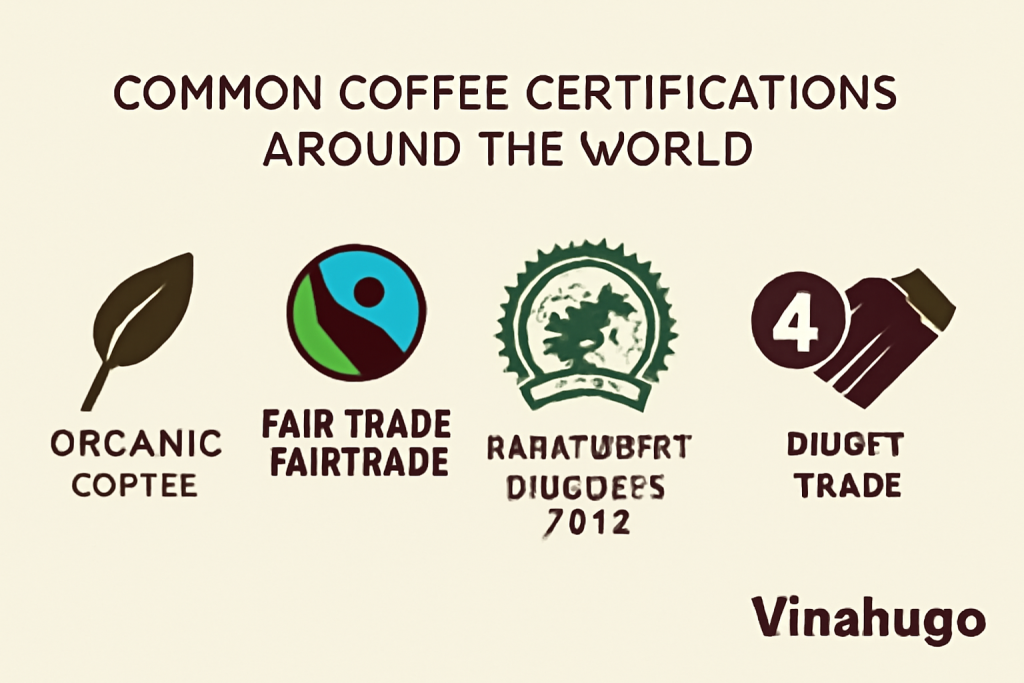
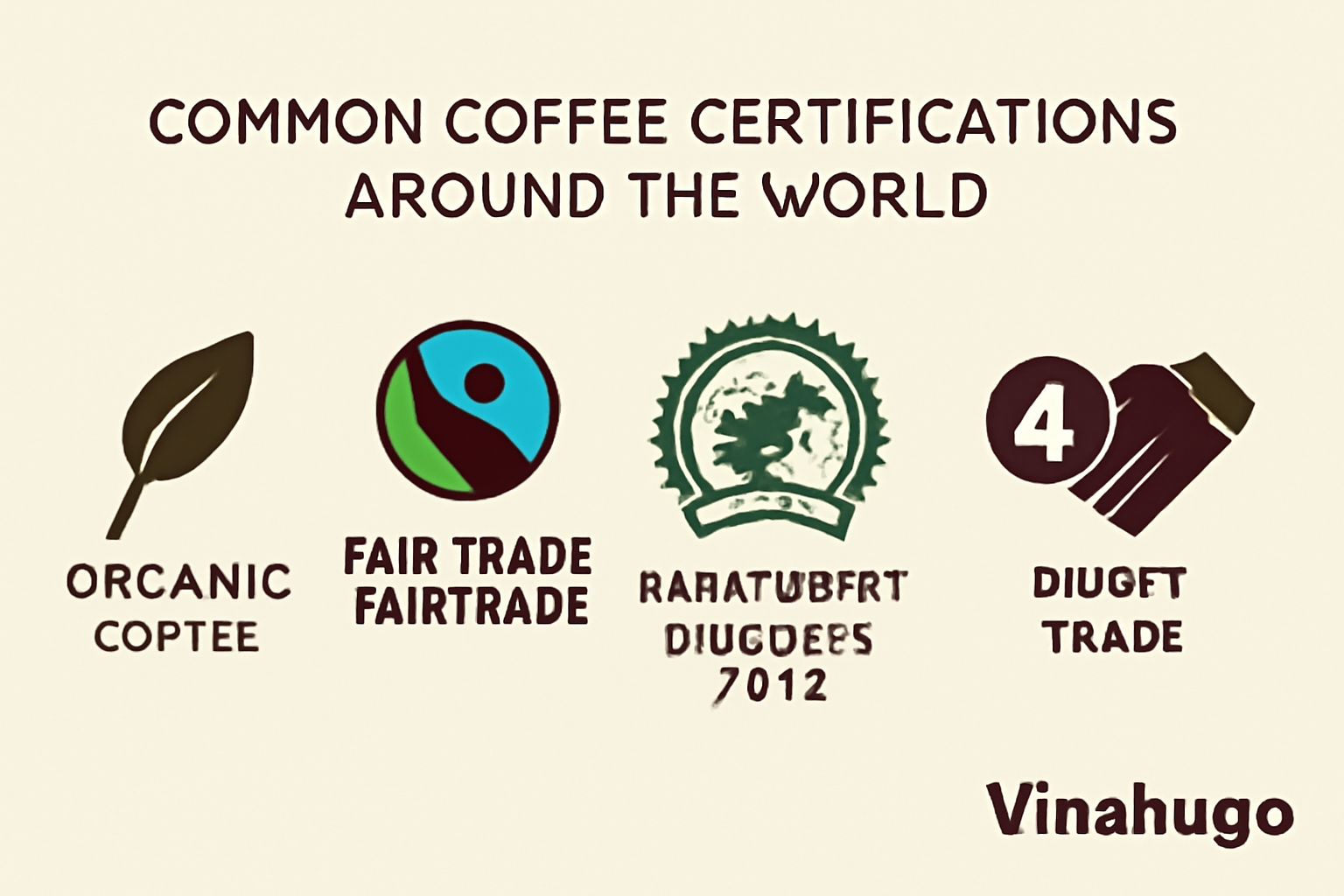
Organic Coffee – This is part of the Organic Agriculture system, focusing on environmentally sustainable farming practices without synthetic pesticides or fertilizers.
-
Fair Trade / Fairtrade Certification – Ensures that coffee farmers are paid fairly and work in safe conditions. The certification aims to support producers in developing countries by ensuring they receive a minimum price and a premium to reinvest in their communities.
-
Rainforest Alliance / UTZ Certification – This certification focuses on environmental protection, social equity, and economic sustainability. It aims to reduce deforestation, improve biodiversity, and provide better working conditions for coffee farmers.
-
4C Coffee Program – This program adheres to the Common Code for The Coffee Community, a set of sustainability standards designed to help coffee farmers improve their practices while also protecting the environment.
-
Direct Trade – While not an official certification, Direct Trade is a movement where roasters establish direct relationships with coffee farmers, ensuring better pay and higher quality coffee. This is more of a business practice than a certification.
Popular Coffee Certifications
There are over 20 certification programs globally for coffee, but the most widely recognized and impactful ones are relatively few. Additionally, depending on the region (such as Latin America), specific certifications like Shade Grown Coffee or Bird Friendly Coffee may be applied in that area.
While these programs vary in content and approach, they share a common goal: sustainable coffee development. Now, let’s dive deeper into some of the most popular certifications in the coffee industry.