
Rapid Response During “PT-11” Military Exercise
Table of Contents
During the province-wide “PT-11” military exercise in Đắk Lắk, a key scenario tested the ability to shift the local economy to a wartime footing. One urgent task was to supply compact dry rations for defense forces directly on site.
Both state-owned and private enterprises responded quickly and effectively, demonstrating the province’s strong local logistics capacity.
Trường Giang Coffee Company Leads Conversion Effort
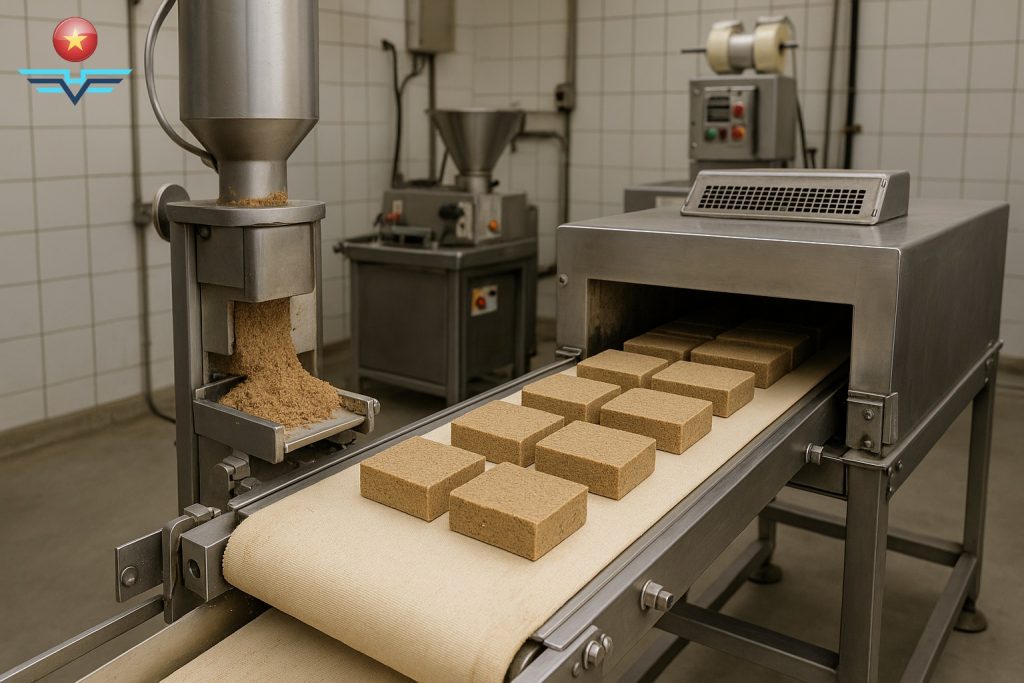
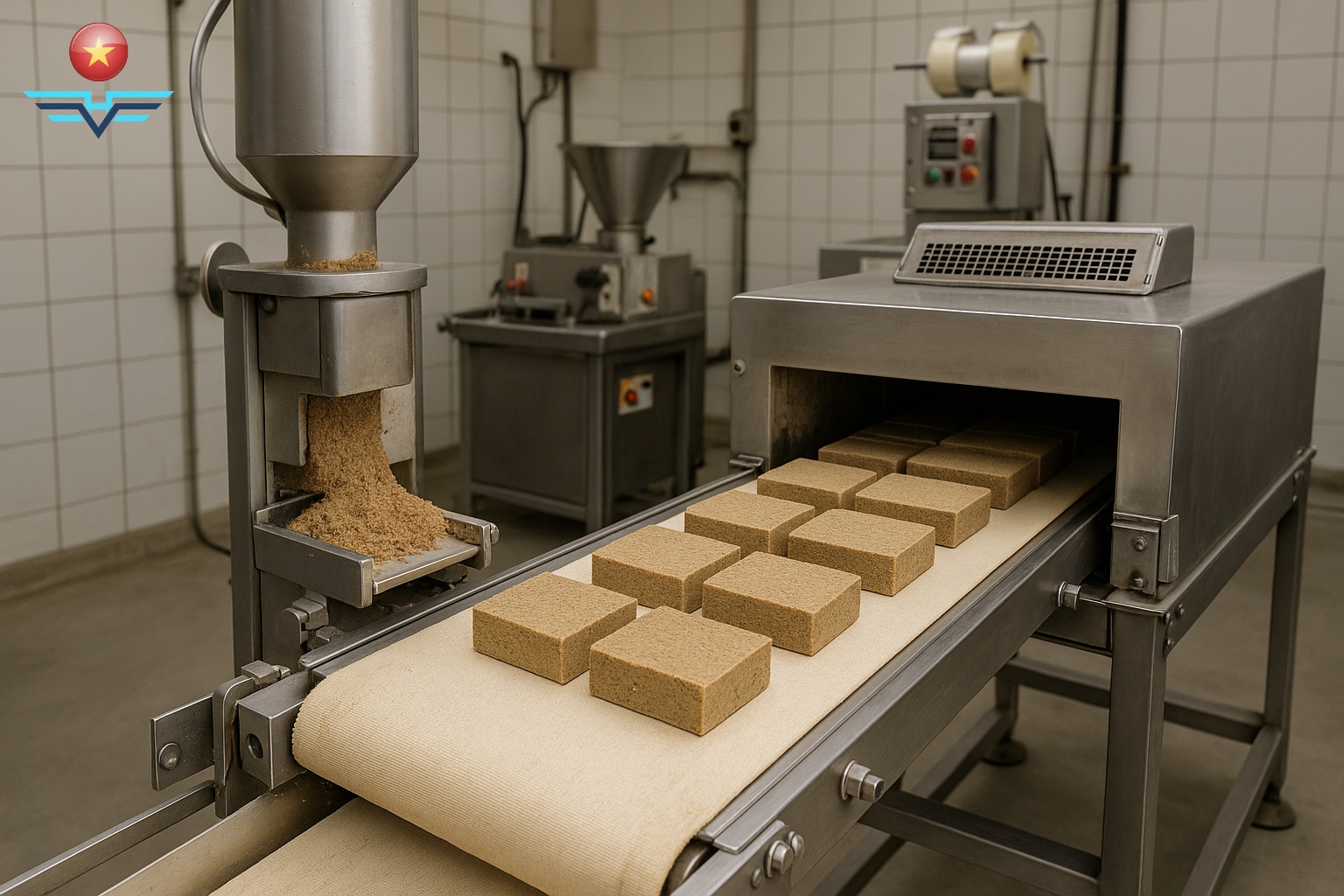
At Trường Giang Private Coffee Processing Company (Buôn Ma Thuột City), the owner collaborated with the provincial logistics department of the Military Command to adapt the existing coffee-powder production line.
Key Upgrades
-
Added and reconfigured equipment to transform the coffee line into a dry-ration production system.
-
Designed the system to run on 220V power with a 30 kWh energy consumption, and included a generator backup.
-
Roaster and dryer can also be fired with locally sourced wood in case of power outages.
Compact and mobile, the entire line can be moved by simple carts or light trucks, making it ideal for field logistics.
Efficient Production and High Energy Output
-
Operated by 8–10 workers, the production line yields around 3 tons of dry rations per day.
-
Ingredients: soybeans, mung beans, rice, corn—cleaned, roasted, mixed, and finely ground.
-
Blended with sugar, milk powder, plant fats, vitamins, minerals, emulsifiers, and food coloring.
-
The mixture is pressed into cakes and dried at 80–100 °C until the moisture content reaches 5–7 %.
Nutritional Value
Each ration bar provides:
-
66.5 % carbohydrates
-
8 % fat
-
12 % protein
-
Approx. 3,100 kcal—meeting a soldier’s daily energy requirements.
-
Shelf life: up to 12 months.
Strategic Value for Defense and Emergency Supply
With hundreds of coffee-powder lines already operating across Đắk Lắk and abundant local raw materials, the province can rapidly scale dry-ration production if needed.
This conversion demonstrates a valuable local logistics potential:
-
Ensures a secure food supply for soldiers and civilians during wartime or emergencies.
-
Highlights the flexibility of coffee-processing infrastructure to meet national defense needs.