
From Modest Beginnings to a Thriving Farm
Table of Contents
In 1998, Lê Đình Phục left Nghệ An for Hamlet 13, Tân Hòa Commune, Buôn Đôn District (Đắk Lắk Province) with only a small amount of capital. While doing hired work, he purchased 1 hectare of farmland and started growing coffee with a few pepper vines trained on dead wooden stakes.
Limited farming experience meant low productivity:
-
Coffee cherries were small and suffered from coffee leaf rust.
-
Pepper vines were vulnerable to quick wilt disease and required frequent watering.
Innovative Use of Lồng Mức Trees as Live Pepper Supports
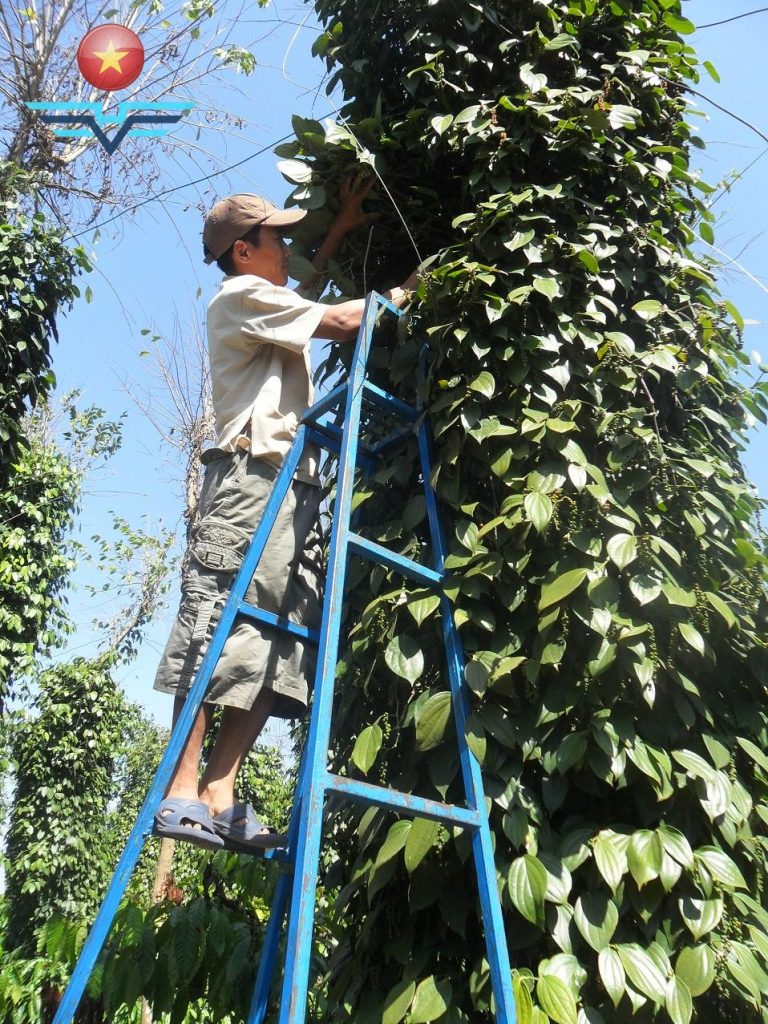
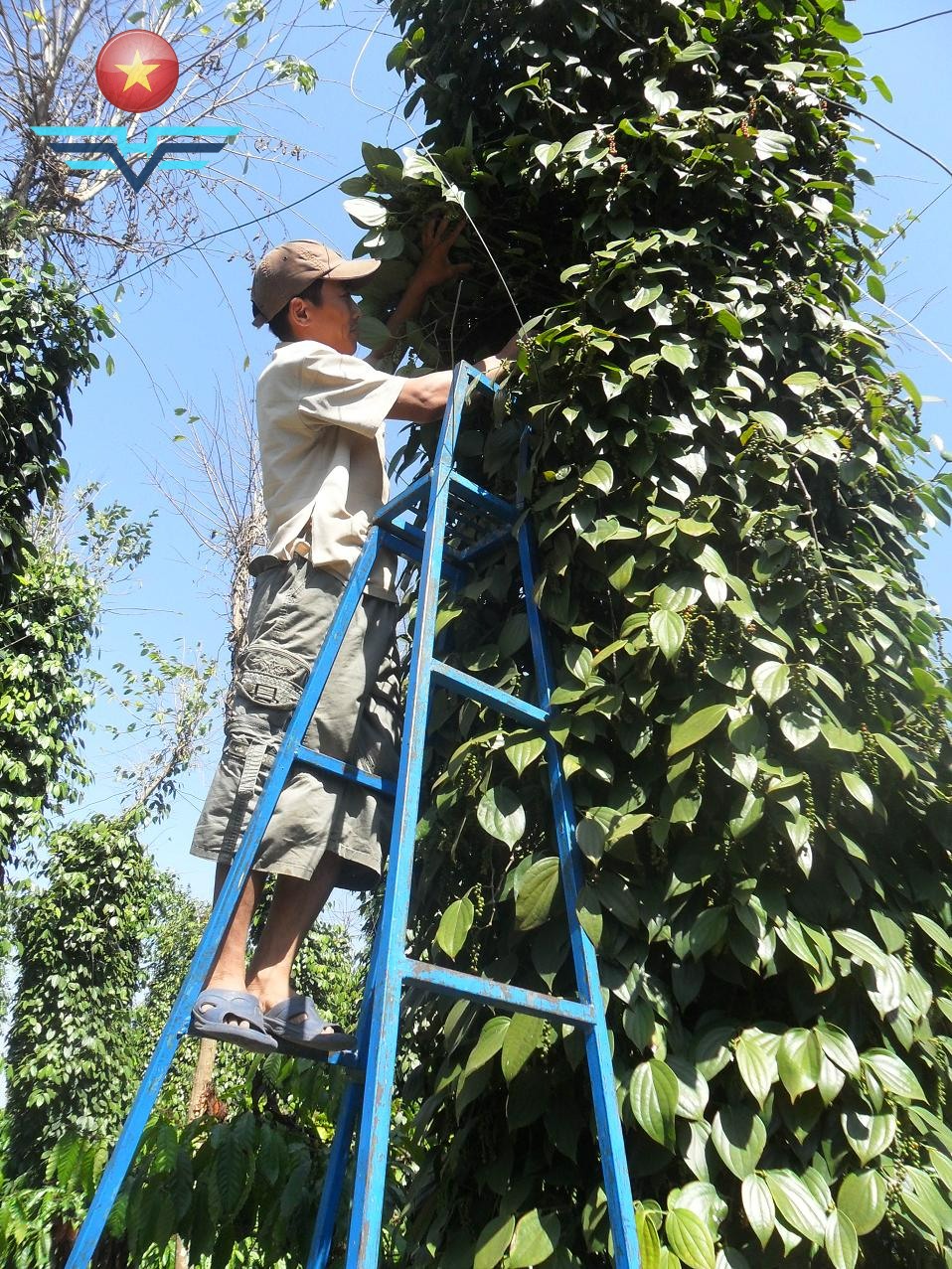
In 2005, Phục planted 300 lồng mức trees across his coffee field to create living supports for the pepper vines. Within just over two years, he removed the dead stakes and trained the vines to climb the living trees.
Results:
-
Pepper vines became lush, fruitful, and largely pest-free.
-
Coffee trees, shaded by lồng mức and pepper, needed less irrigation.
-
Pruning the lồng mức trees to 5–6 meters allowed pepper vines to climb higher than on traditional wooden stakes, boosting pepper yields.
Impressive Yields and Income
By the 2011–2012 harvest, Phục’s one-hectare plot produced:
-
1.8 tons of pepper, with each vine yielding 6–7 kg of fruit.
-
2.5 tons of coffee.
After expenses, the family earned over 250 million VND in net profit—a remarkable increase compared to previous years.
Upgrading Coffee Varieties for Higher Productivity
Recognizing the positive interaction between the two crops, Phục rejuvenated aging coffee trees by grafting high-yield, disease-resistant coffee varieties sourced from the Western Highlands Agro-Forestry Science Institute.
-
Most of the low-quality coffee has now been replaced.
-
The plantation now delivers significantly higher yields.
Expanding a Sustainable Intercropping Model
Today, Phục has:
-
600 pepper vines intercropped among coffee trees.
-
Plans to add 200 more vines on newly purchased land.
Beyond his own success, he:
-
Shares his farming experience with neighbors.
-
Propagates and sells lồng mức seedlings to other farmers, helping spread this eco-friendly intercropping model throughout the community.
Coffee–pepper intercropping with live supports reduces irrigation needs, improves disease resistance, and delivers higher profits. Using lồng mức trees as living stakes provides both shade and strong natural supports. Upgrading coffee varieties through grafting ensures long-term sustainability and yield stability.