

Climate Change Fuels Rising Disease Pressure
Table of Contents
Black pepper is a high-value crop, but it is extremely sensitive to soil and climate conditions. In recent years, unpredictable weather and heavier, prolonged rains have sharply increased disease outbreaks, making pests harder to control.
-
Large-scale losses: From late 2016 to early 2017, more than 1,069 hectares of pepper in Dak Lak were waterlogged; over 500 hectares suffered over 70% mortality.
-
Common diseases: “Quick wilt” and “slow wilt” together affected nearly 1,700 hectares, while other pests damaged more than 1,000 hectares.
Many plantations were established outside planned zones, often on unsuitable soils and with little disease screening. These conditions, combined with changing rainfall patterns, have made pepper more vulnerable to root and stem infections.
Cost-Effective, Climate-Smart Practices
Agricultural scientists from the Western Highlands Agriculture and Forestry Science Institute (WASI) advise farmers to reduce costs while strengthening natural resilience. Key strategies include:
1. Raised Beds and Better Drainage
-
Shallow planting with raised mounds allows water to drain quickly, reducing the risk of fungal infection in the root collar.
-
Mulch-filled drainage trenches alongside planting rows both improve soil fertility and prevent standing water during heavy rains.
2. Efficient Irrigation Systems
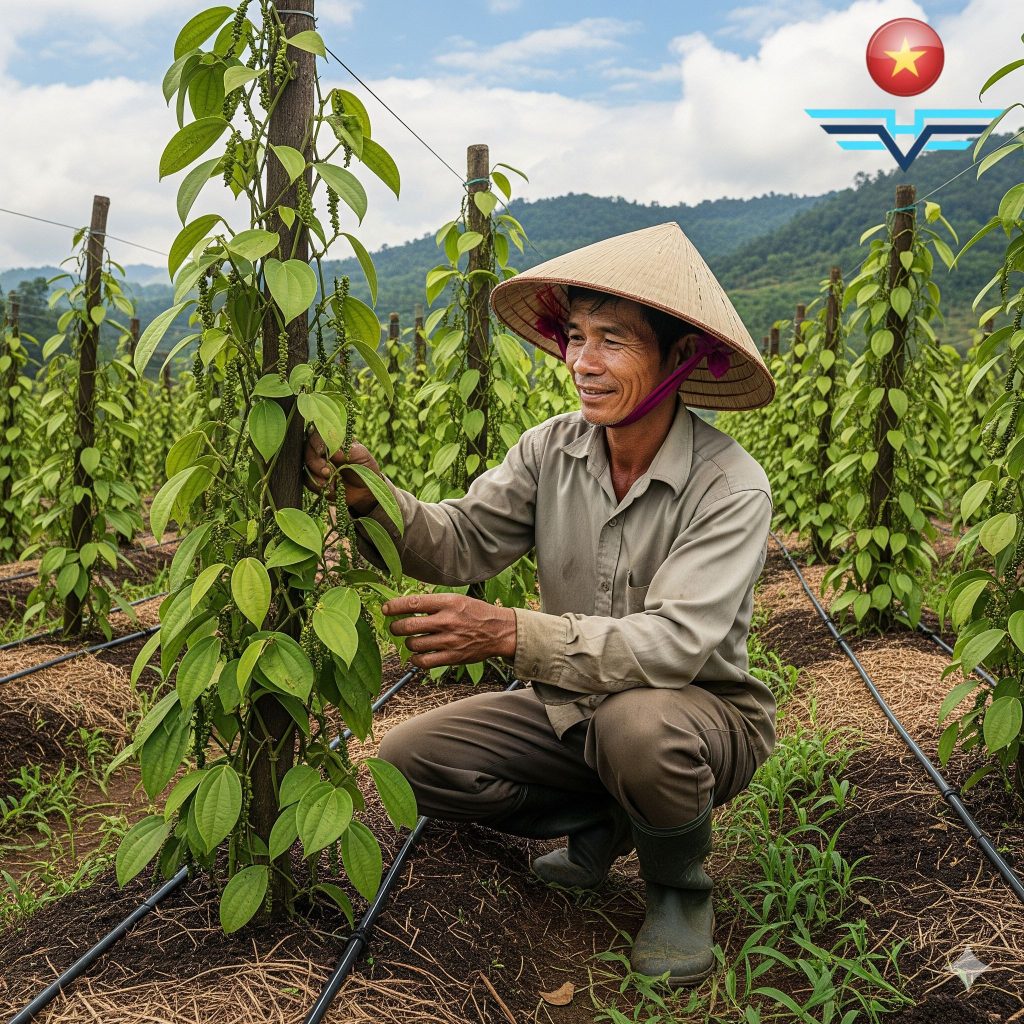
Switching from traditional flood irrigation to drip or micro-sprinkler systems provides precise water supply in the dry season and reduces root damage. Fertilizer can be applied through the irrigation system, further cutting labor costs.
3. Natural Ground Cover and Companion Plants
Many farmers now plant cover crops and beneficial companion species such as peanut grass (Arachis pintoi), marigolds, and acacia:
-
Protect soil from direct sun and heavy rain, preventing erosion and soil compaction.
-
Create a cooler, more stable microclimate that supports beneficial soil organisms and reduces disease pressure.
Towards a Resilient Pepper Industry
Local experts emphasize that sustainable pepper production requires a shift in mindset—from chemical dependence to ecological management. By integrating natural pest control, soil health restoration, and cost-optimized farming techniques, Dak Lak farmers are finding ways to maintain productivity and protect their livelihoods despite climate change and volatile market prices.