
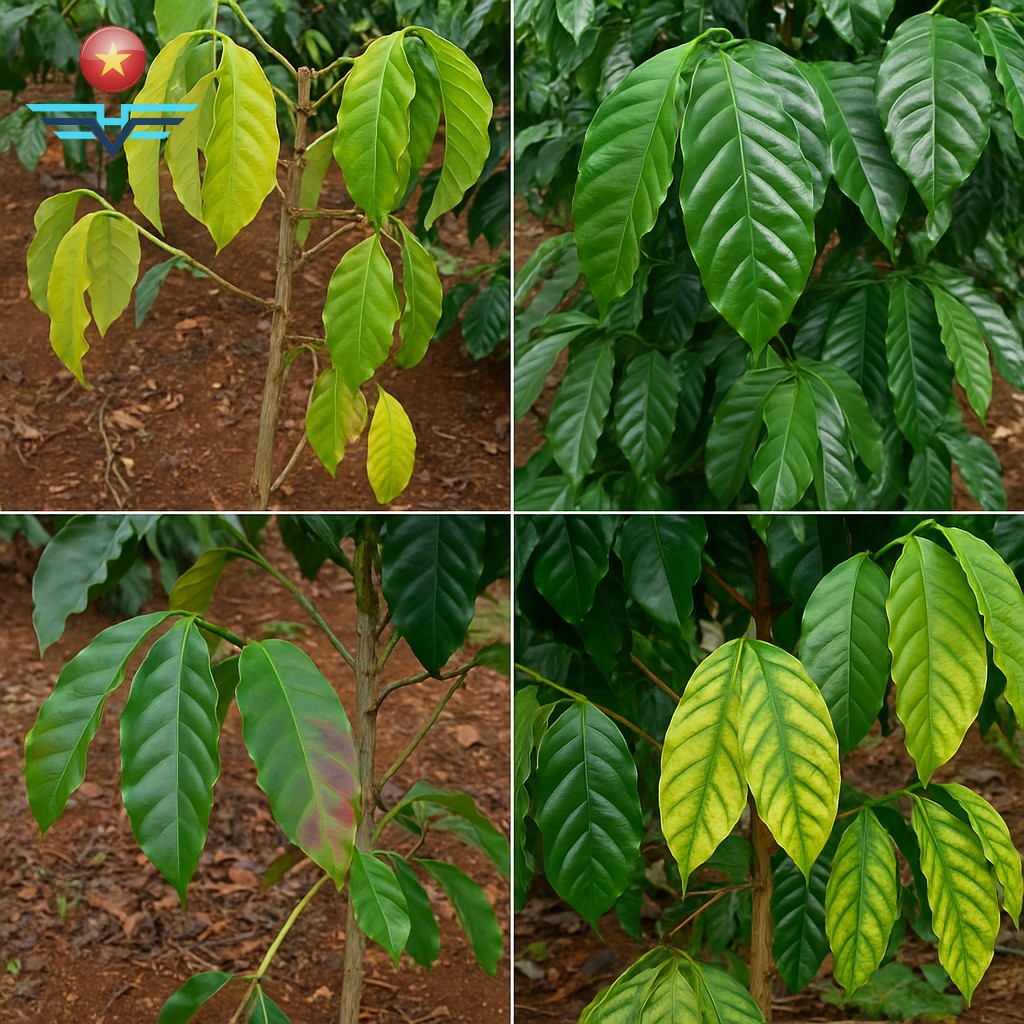
Applying either too little or too much nitrogen (N), phosphorus (P), or potassium (K) is harmful. These three nutrients are essential for plant growth; any imbalance disrupts the plant’s overall metabolism and nutrient assimilation.
Nitrogen (N)
Nitrogen is among the most critical elements for all living organisms. It is a key component of all proteins—simple and complex—which form plant cell membranes. Nitrogen is also present in nucleic acids (DNA and RNA), playing an essential role in plant biochemical processes. It is part of chlorophyll, without which plants cannot photosynthesize, and is found in alkaloids, enzymes, and many other vital cellular compounds.
-
Deficiency: Plants become stunted and leaves turn yellow because there is not enough basic material to form new cells. Starch production falls, and photosynthesis declines.
-
Excess: Surplus nitrogen remains in inorganic forms that can be toxic. Plants grow excessively soft and tall (“leggy”) and divert carbon compounds to detoxifying the excess nitrogen instead of producing structural fibers. This weakens the plant and disrupts flowering and fruiting, leading to low or no yields.
Phosphorus (P)
Phosphorus is equally important. No living cell can function without it. Nucleoproteins—the carriers of genetic information—require phosphorus, which accounts for about 20% of nucleic acids (DNA and RNA). Phosphorus also occurs in compounds like phytin, lecithin, and sugar phosphates that are vital to plant life.
-
Deficiency: Older leaves develop reddish-purple patches, and leaf blades become smaller, narrower, and more upright. Plants grow slowly, and fruit ripening is delayed because protein synthesis is disrupted while sugars accumulate.
-
Excess: Too much phosphorus can reduce the plant’s ability to use it efficiently, leaving much of it in inorganic form. This can trigger premature ripening, limiting the time for the crop to build high yields.
Potassium (K)
Potassium exists in plants mainly as free ions in cell sap and vacuoles—not as part of organic molecules. Though it does not directly form cell structures, potassium stabilizes them and supports the formation of high-energy compounds such as ATP during photosynthesis. It enhances hydration of cell colloids, improves water retention and drought resistance, promotes starch and sugar accumulation, and strengthens cold tolerance by increasing cell sap osmotic pressure. Potassium also helps plants resist fungal and bacterial diseases and supports the synthesis of structural carbohydrates like cellulose and hemicellulose, which strengthen stems and reduce lodging.
-
Deficiency: Disrupts numerous metabolic processes. Enzyme activity declines, carbohydrate and protein metabolism is disturbed, and respiration consumes more sugars. Symptoms include premature yellowing of older leaves, starting at the edges; leaf margins may turn yellow or silvery, then brown and brittle, giving a “scorched” or tattered appearance. Seed filling and germination rates drop, and overall yield and quality suffer.
-
Excess: Even slight oversupply can create ion imbalances, blocking uptake of other nutrients such as magnesium and sodium. At high levels, soil osmotic pressure rises, hindering water and nutrient absorption and ultimately reducing crop productivity.
Summary: Balanced fertilization of nitrogen, phosphorus, and potassium is critical for healthy coffee plants. Both deficiencies and excesses of these key nutrients can severely reduce growth, yield, and bean quality.