

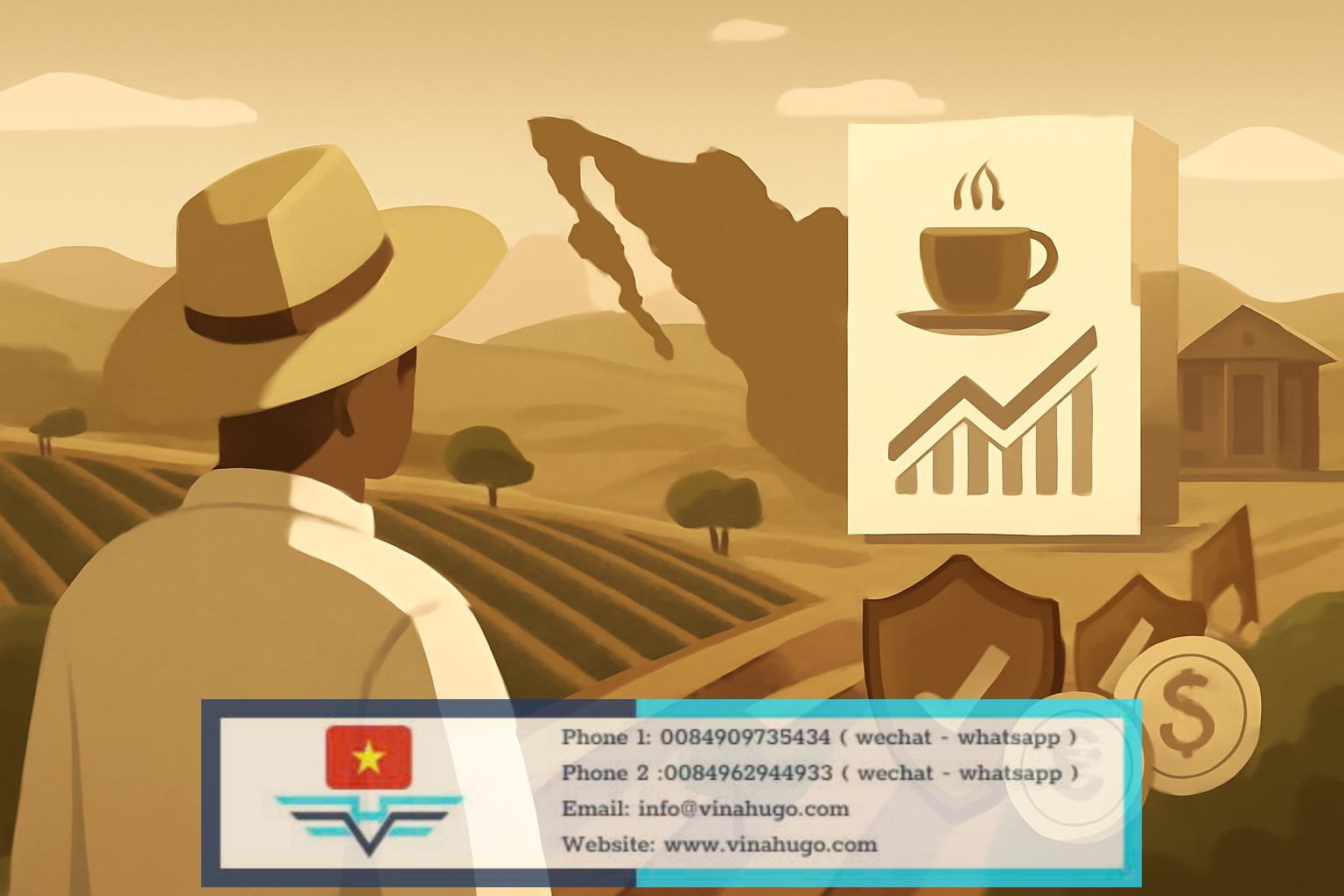
Mexico
ASERCA (Apoyos y Servicios a la Comercialización Agropecuaria) is a government organization responsible for providing services to the domestic agricultural sector, including purchasing (subsidized) options and futures contracts for rice, cotton, coffee farmers, and rice milling companies. ASERCA is under the Ministry of Agriculture and was established in 1991 to facilitate the transition of Mexico’s agriculture from a state-intervened market system to a free-market system.
ASERCA’s involvement in price risk management started in 1992/1993, initially providing rice, oilseed, and cotton farmers the ability to self-insure against falling prices using options and futures contracts for wheat, corn, soybeans, cotton on the Chicago and New York exchanges, as well as rice swap contracts.
The goal in its first year was to ensure that there was sufficient funding to subsidize farmers. The program offering options to farmers was introduced in 1994 and gradually expanded. In 1999, options contracts for coffee farmers were introduced and options for livestock producers as well.
Under this program, farmers purchased options from ASERCA’s local offices, and ASERCA would then buy options in the name of the farmer on appropriate exchanges (New York for coffee and cotton, Chicago for rice and soybeans) through brokers in the U.S.
In practice, ASERCA operated as a broker by pooling the price risks of many farmers and hedging them on the appropriate exchanges.
By 1997, ASERCA covered two-thirds of the option cost and focused on managing all positions. The subsidy from ASERCA was reduced to 50% in 1998. By 1999, farmers could also get higher subsidies (100% until 1998, 75% in 1998 and 1999) through a savings program if they agreed to contribute a nominal fee into the fund (used for investment and covering unforeseen events). ASERCA also ran training programs with the support of U.S. brokerage firms.
The program was well-received by farmers. In 2000, 17% of wheat production used options, 13% of rice, and 32% of cotton. However, the participation of coffee producers remained low. One of the reasons for this was that many farmers were poorly organized, and their education levels were generally low.
Critics of this risk management program point out two issues: first, farmers are not required to purchase options at a specific time, so they often only purchase them before actually signing a futures contract or selling in the spot market. Second, the program resembles an income transfer scheme from the government to farmers rather than a strategic price risk management program.
Lessons from International Risk Management Experiences
In the 1990s, it seemed that cooperatives played an important intermediary role between farmers and risk management markets. To some extent, this was understandable, as individual farmers were too small to manage risks effectively, and some form of organization was necessary.
However, the first lesson learned from this experience is that, in reality, this approach proved ineffective for two reasons:
-
Most farmers in developing countries – including coffee farmers – are not organized in effective cooperatives.
-
Even well-organized cooperatives often have internal problems (such as appointed managers, bureaucratic decision-making) that prevent them from effectively using risk management markets.
Experience has shown that farmer associations can play a key role, and the critical factor lies in the combination of these associations (both formal cooperatives and informal marketing groups) and external organizations (such as banks or government agencies). The dynamics between these two organizations can help apply risk management strategies sustainably.
The second lesson is that with KYC (Know Your Customer) requirements, direct participation in futures markets in developed countries is almost impossible for farmer associations in developing countries. Farmers would need either a local exchange or a domestic intermediary – an organization with scale and knowledge to open trading accounts with brokers or banks in developed countries.
The third lesson is that combining risk management with credit provision offers many benefits. Credit-providing organizations can act as gateways to risk management (especially when they already have the necessary relationships with the international financial community) and provide the necessary funds to pay option premiums or even cover margin calls. From the perspective of credit-providing organizations, this also reduces credit risk and creates new sources of income.
The fourth lesson is that there is no “one-size-fits-all” risk management solution. Even within a group, farmers prefer to have a range of solutions and will choose one or more of them based on their needs. The concept of risk and willingness to pay, or to forgo a portion of potential future profit when prices rise, will vary between farmers. Plans are considered good when they offer such options.
Finally, experience shows another important lesson: risk management tools based on the market, such as futures contracts, options, and unofficial products originating from those contracts, are not difficult for most farmers to understand. In fact, they are willing to understand which tools are good enough to offer them opportunity choices.
When farmers tend to be optimistic – farmers everywhere in the world tend to underestimate risks – this suggests that, for example, they want to lock in prices for the future when prices are high; while when prices are low, they think that prices might rise and there’s no need to hedge against falling prices. As a result, there was a cooperative (such as the KNCU cooperative in Tanzania) that understood the markets and risk management strategies and successfully implemented them for a year, but the cooperative did not want to continue that strategy the following year.
In other words, risk management organizations should not expect a stable customer base.