
Early Success and Lemongrass Ambitions
Table of Contents
Once celebrated as the dynamic head of the thriving Mỹ Gia Nong-Thuong-Tin Cooperative, Trương Ngọc Vi was chosen in 1992 to lead Yên Bình District’s bold plan to plant lemongrass for essential oil. With prices for lemongrass oil soaring—one liter worth several quintals of rice—the Hồng Bàng economic zone quickly expanded to 113 hectares. Lemongrass required little care and promised big profits. But within months the project collapsed under heavy debt, leaving Vi too proud to return to Mỹ Gia and forcing his family to move to Hương Lý Port in Yên Bình town.
Struggling on Thác Bà Lake
After the lemongrass failure, Vi tried trading timber on Thác Bà Lake, but his goods were seized and he went bankrupt again. Living in a fragile lakeside hut with his wife Nông Thị Xuân, he searched desperately for a new path.
The Catimor Coffee Promise
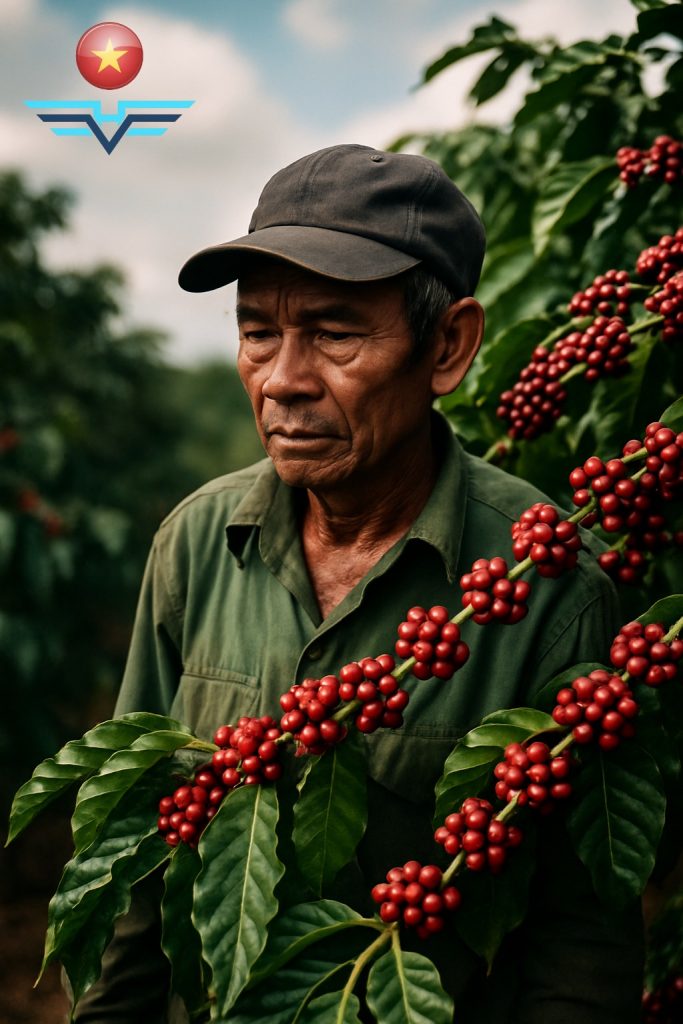
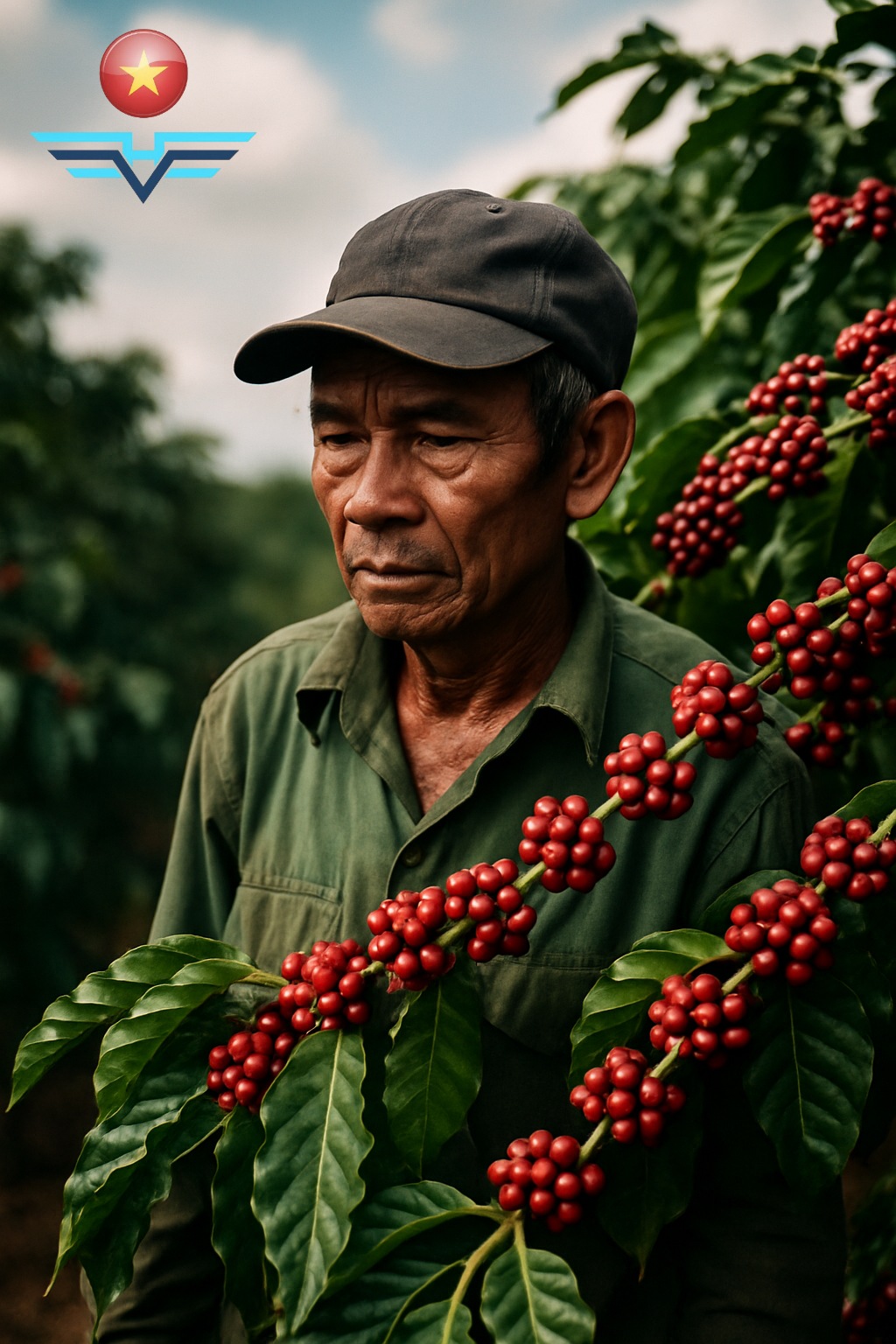
In 1995, commune chairman Hoàng Tương Lai invited Vi to Xuân Lai Commune and allocated him more than two hectares on a Thác Bà Lake island for Catimor coffee—part of a province-wide Arabica program launched in 1993. Government subsidies, training, and loans fueled hopes that Catimor would create “farmer millionaires.” Vi, elected team leader of the Làng Chang coffee growers, expected annual profits of 50–70 million VND per hectare—ten times the income from traditional forestry crops.
Catimor Collapse and Lasting Loss
Despite careful care, the Catimor plants across thousands of hectares failed to fruit or bore only sparse, uneven cherries—“like male coffee trees,” Vi lamented. Harvest prices barely covered labor and transport. Farmers abandoned their coffee, letting cherries rot or cutting trees for firewood while bank debts mounted.
Dreams Swept Away
By 2004, Yên Bái’s Catimor program had shrunk to just 357 hectares and faded into obscurity. Twice Trương Ngọc Vi had believed in a golden crop—first lemongrass, then Catimor coffee—and twice he watched his dreams disappear, left only with memories of ambition and the quiet waters of Thác Bà Lake.