
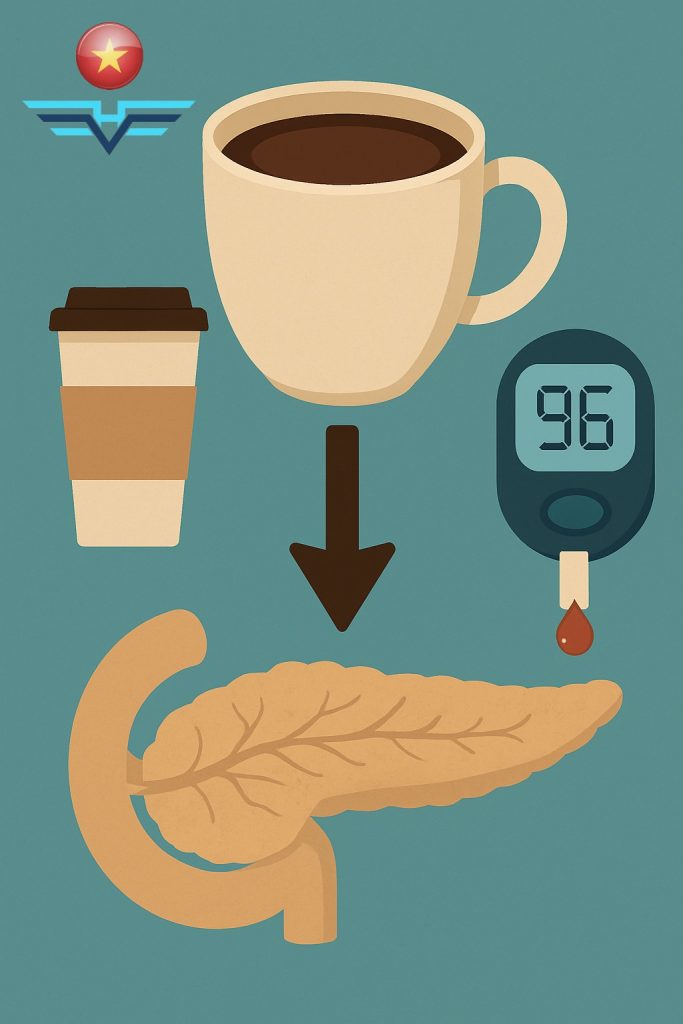
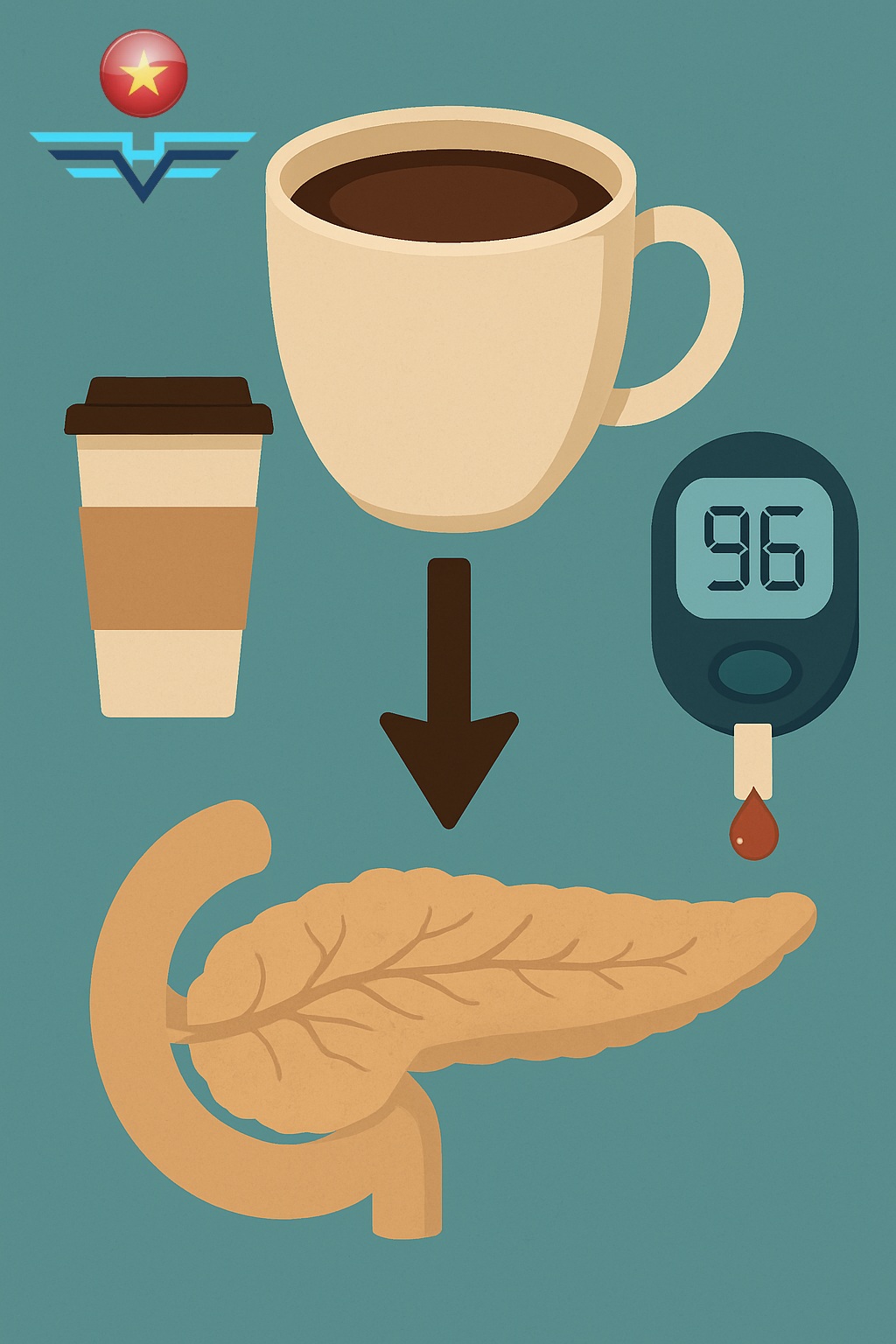
Coffee is a familiar beverage long known for its many health benefits—but what role does it play in diabetes risk?
Researchers at Harokopio University in Greece conducted a 10-year follow-up study to explore the relationship between coffee consumption and type 2 diabetes. The study tracked 1,514 men (ages 18–87) and 1,528 women (ages 18–89) who were diabetes-free at the start.
Participants were divided into three groups: those who avoided coffee, those who drank less than 250 ml per day, and those who drank more than 250 ml per day. Over the decade, 191 participants developed type 2 diabetes. The researchers found that people who regularly drank more than 250 ml of coffee daily had a 54% lower risk of developing type 2 diabetes compared with those who did not drink coffee.
Lead author Efi Koloverou, a clinical nutritionist, believes coffee’s benefits are not just due to caffeine but also to its anti-inflammatory compounds. Coffee has been shown to reduce inflammation and lower the risk of chronic diseases such as Alzheimer’s, Parkinson’s, type 2 diabetes, gout, heart disease, and certain cancers.
The anti-inflammatory effects of coffee come from more than 1,000 bioactive compounds in the beverage. Koloverou concludes that people with no history of cardiovascular disease can benefit from drinking coffee daily.
However, these benefits apply only to black coffee without added sugar, cream, or sweeteners, since such additives can increase inflammation and blood sugar levels—particularly risky for people with diabetes.
A large study published in May 2023, involving 150,000 people, also confirmed coffee’s antioxidant and anti-inflammatory properties, which help reduce the risk of type 2 diabetes.
“While obesity and physical inactivity are the main causes of type 2 diabetes, research shows that oxidative stress can worsen insulin resistance or impair insulin secretion,” explains Dr. Ambrish Mithal, Head of Endocrinology and Diabetes at Max Healthcare in India. “Coffee contains bioactive compounds that fight inflammation and oxidative stress, helping lower diabetes risk.”
The researchers found that adding just one extra cup of coffee per day could cut diabetes risk by 4–6%. Doctors still advise limiting coffee to no more than two cups per day—about 400 mg of caffeine—because sweetened or cream-based coffee drinks can raise heart disease risk in people with diabetes.
Dr. Mithal also noted that weight loss can reduce type 2 diabetes risk by up to 50%, and caffeine itself can help by boosting metabolism, burning fat, and suppressing appetite. About 100 mg of caffeine a day can increase daily energy expenditure by roughly 100 calories.
Still, he warns against overconsumption: “Too much coffee can cause rapid heartbeat, anxiety, jitteriness, tremors, insomnia, and headaches. For diabetes patients, blood sugar will not improve simply by drinking coffee or tea—lifestyle discipline remains essential. Regular exercise, adequate sleep, and weight control are key,” Dr. Mithal emphasized.