
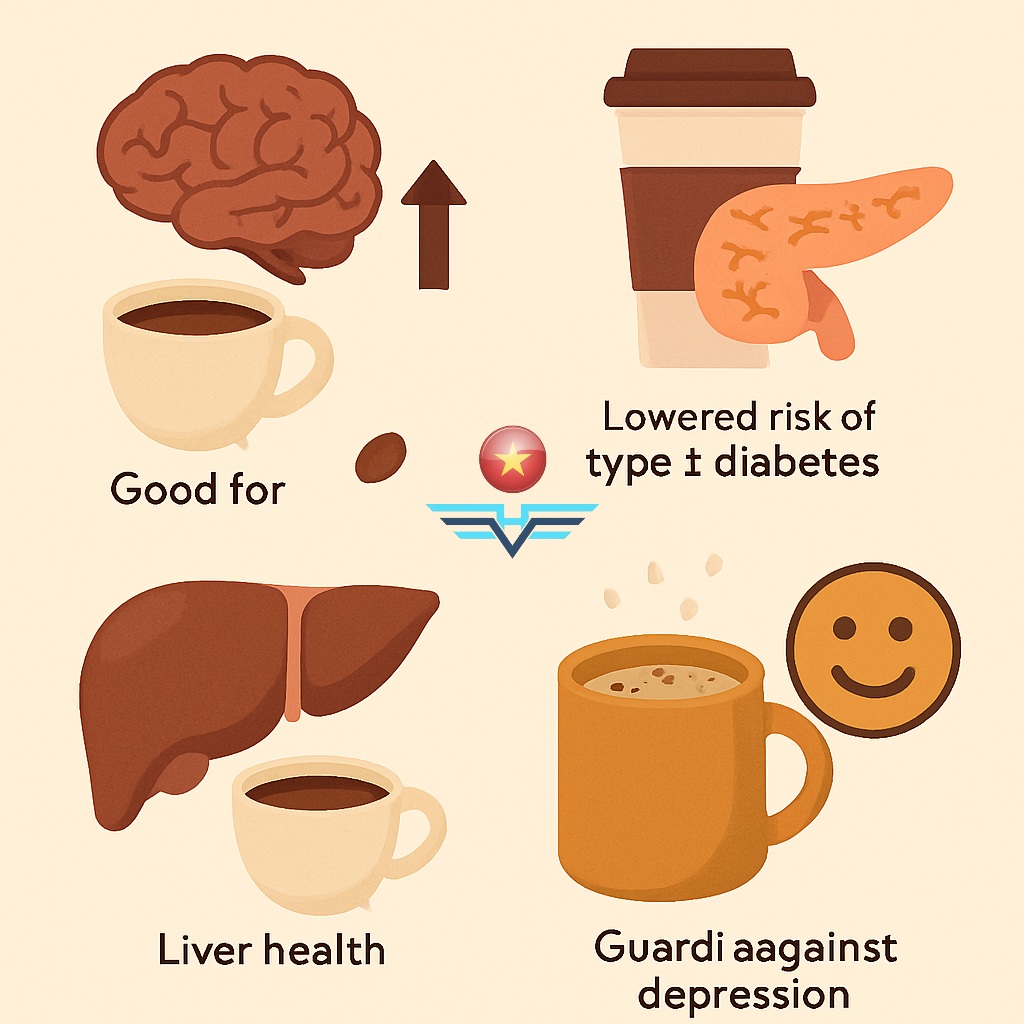
Coffee offers some remarkable health benefits—such as lowering the risk of type 2 diabetes, protecting the liver, and even reducing certain cancer risks—provided you drink it in moderation and limit added sugar or milk.
Is Coffee Good for You?
Table of Contents
Nutrition expert Devon Peart (USA) explains that the unique mix of natural compounds in coffee creates a surprisingly healthy beverage. While the amount and preparation matter, your daily cup can benefit the body in several ways.
The Upside of Caffeine
Caffeine, coffee’s natural stimulant, doesn’t just keep you awake. It can improve memory, mood, reaction time, and mental performance. Some studies even show caffeine can enhance endurance and athletic performance.
Nutrients and Phenolic Compounds
Coffee contains about a thousand plant-based compounds, including B vitamins, potassium, and riboflavin. It is also rich in antioxidants, especially phenolic compounds, which help protect cells from oxidative stress and inflammation—similar to the health benefits found in fruits and vegetables.
Lower Risk of Type 2 Diabetes
Large studies show that regular coffee consumption lowers the risk of developing type 2 diabetes. One review of 18 studies found each daily cup of coffee reduced diabetes risk by about 7%. Chlorogenic acid, a key antioxidant in coffee, may slow the release of sugar into the bloodstream and improve insulin sensitivity.
Protection Against Neurodegenerative Diseases
Daily coffee drinking is linked to a lower risk of Alzheimer’s and Parkinson’s disease. In animal studies, caffeine protected against memory loss and reduced abnormal brain proteins tied to Alzheimer’s.
Liver Health
Coffee has been shown to help protect the liver, reducing the risk of cirrhosis and liver cancer, especially in people with fatty liver disease or those who consume alcohol. Some studies show each daily cup of coffee may lower alcohol-related liver disease by 20%.
Reduced Cancer Risk
Research suggests coffee drinkers have lower rates of liver and colorectal cancer and may be protected against several other cancers, including mouth, throat, prostate, and endometrial cancers.
Guard Against Depression
Several studies link higher coffee consumption to a lower risk of depression and even reduced risk of death by suicide.
Important Considerations
Don’t Overdo It
While moderate coffee is hydrating, too much caffeine can cause jitteriness, anxiety, or raise blood pressure—especially in people who metabolize caffeine slowly. Experts recommend staying under 400 mg of caffeine daily (about 3–4 cups).
Avoid Late-Day Coffee
Because caffeine can remain in the body for hours, drinking coffee late in the afternoon or evening can disrupt sleep.
Choose Wisely
Coffee drinks loaded with flavored syrups, sugar, or whipped cream can add empty calories. Opt for unsweetened options, or lightly sweeten with a small amount of honey or stevia. Enhance flavor naturally with spices like cinnamon, nutmeg, or unsweetened cocoa.
Be Careful with Milk
Even small daily amounts of full-fat milk add up over time. For a lighter alternative, use 1% or skim milk, or plant-based options like soy or almond milk.
Moderate coffee consumption—around 3–4 cups a day—can be a powerful ally for long-term health, offering protection for the brain, liver, and more, as long as you keep added sugars and high-fat ingredients in check.