
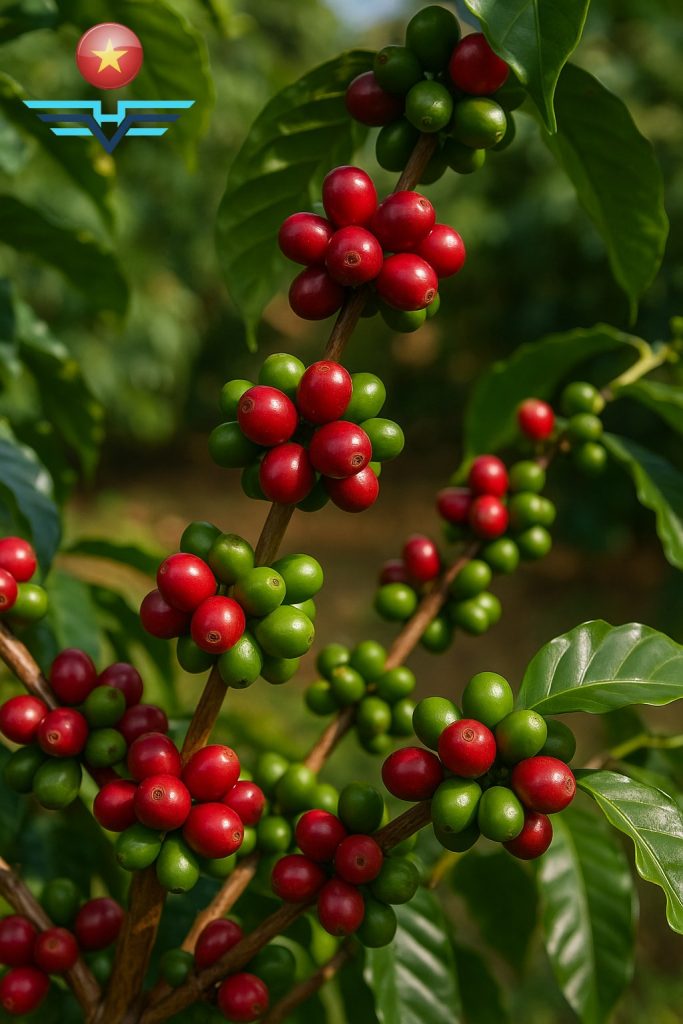

Over the past two years, to help rice, coffee, and salt producers overcome difficulties caused by falling prices, the Prime Minister has directed ministries and enterprises to implement large-scale temporary stockpiling purchases at prices ensuring farmers earn at least a 30% profit.
These programs helped market prices rebound: coffee rose from about 24,000 VND/kg to 29,000 – 30,000 VND/kg, and paddy rice prices edged up by 200 – 300 VND/kg.
However, according to rice growers, salt makers, and coffee farmers—those supposedly benefiting the most—the program has been “right in principle but not in practice.” They argue that the timing was off (for coffee, stockpiling began when farmers had little crop left), and that the choice of participating enterprises was poor (some companies were already in debt and could not secure bank loans). As a result, the purchased quantities fell far short of target—less than 10% of plan for coffee and even less for salt—so neither producers nor domestic businesses gained as the government intended. While local enterprises struggled to raise capital, foreign traders stepped in and bought up supplies at low prices.
Economists point to weak market monitoring, lack of coordination, and cumbersome procedures as factors that reduced the effectiveness of this major government policy.
The experience of stockpiling key agricultural commodities reveals weaknesses at every level. For enterprises: lack of capital, inadequate storage facilities, and no grassroots collection network. For producers: low and inconsistent product quality (for example, rice grown from many different varieties). For government agencies: poor market forecasting and analysis, insufficient initiative, and fragmented coordination.
Although Vietnam is a major agricultural exporter, it does not yet influence global prices; export value remains limited—especially since most exports are raw commodities without strong branding. To gain real influence over market prices, Vietnam must greatly improve its market forecasting and analysis capabilities, so that temporary stockpiling can be planned and executed proactively and effectively.