
We would like to share some questions from our reader, Le Son Tinh, which were answered by the author Nguyen Quang Binh. This discussion seems important and useful, so we would like to present it to you.
Question: I bought a considerable amount of coffee at the start of the season at a high price, 41 million VND per ton. Now, I can’t sell at this price because I will make a loss. I’ve heard that Brazil keeps its coffee stocks for up to 10 years before selling. Why can’t we be patient and hold for 2 years?
Answer: Hello Le Son Tinh,
The action of stockpiling is the same, but the nature behind it is different.
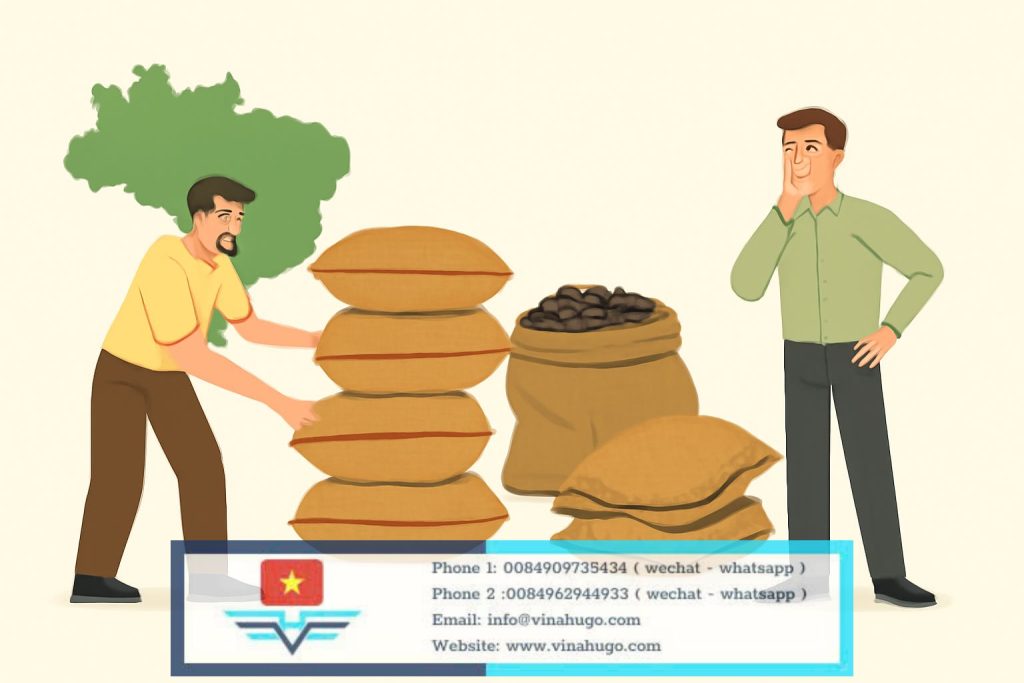
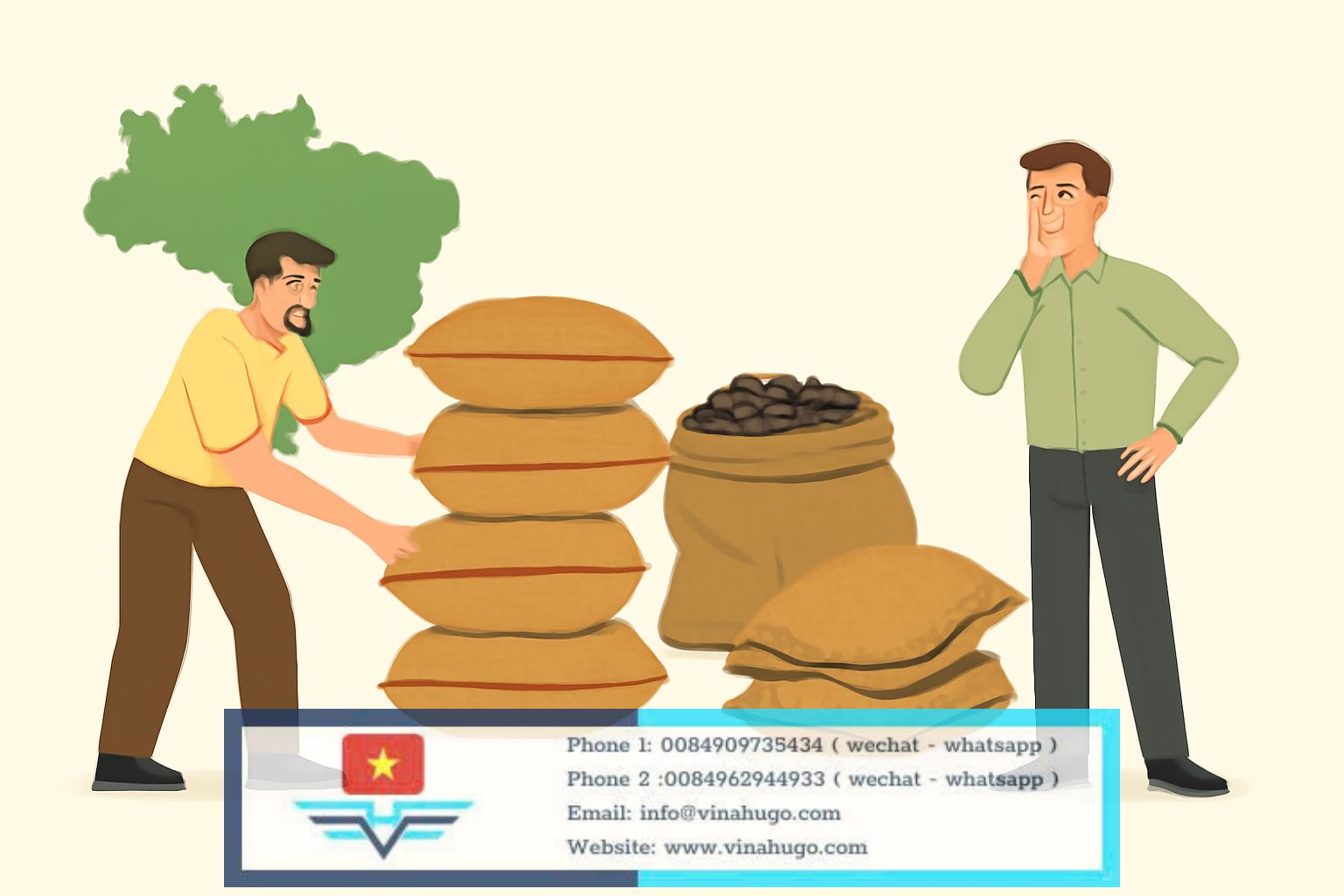
Recently, the Brazilian Ministry of Agriculture failed to auction nearly 3,000 tons of coffee. In fact, this is part of the annual stockpiling effort, much like how the government stores rice for “food security.” Brazil consumes over 20 million bags of coffee every year, so the government must have a coffee stockpiling policy to ensure “coffee security.”
Every year, Brazil releases the oldest stockpiled coffee and sells it to domestic roasters to produce instant coffee. This year’s batch was criticized, possibly due to deteriorating quality, a high starting price, an oversupplied domestic market, complicated delivery procedures, and possibly corrupt practices, which may have added to the cost. Please note that these reasons are speculative and not definitive. This could also be a trial by the Brazilian Ministry of Agriculture regarding privately held stocks within the country.
Normally, stockpiles like these, managed under the “food security” policy, are not speculative, and pricing is not as important. Their warehouses are very efficient, so the coffee can be stored for a long time (although it’s possible that they rotate the stock to ensure quantity remains stable while maintaining freshness).
On the other hand, the coffee you’re stockpiling is for business purposes, aiming for a higher price. This type of stockpile is “dynamic” — you will sell when you expect to make a profit, or even sell at a loss if others release their stock and put downward pressure on prices, creating a panic-selling situation.
So, the market understands that you will eventually sell your stock. However, if they have their own stock or can find cheaper sources elsewhere, they won’t buy until it’s really necessary.
This is likely why buyers are reluctant and prefer to wait for the price to fall when “more stock becomes available.”
In fact, this is how the market works: the seller wants to sell at a high price, so they stockpile, while the buyer wants to buy at a low price when the seller can no longer hold.
Between these two forces, there’s a third — the farmer. When they need money, they sell a little just to cover expenses. But if the buyer needs the coffee badly enough and is willing to accept higher prices, the farmer benefits. However, when the seller “can’t hold out any longer,” prices drop, and the farmer bears the burden.