
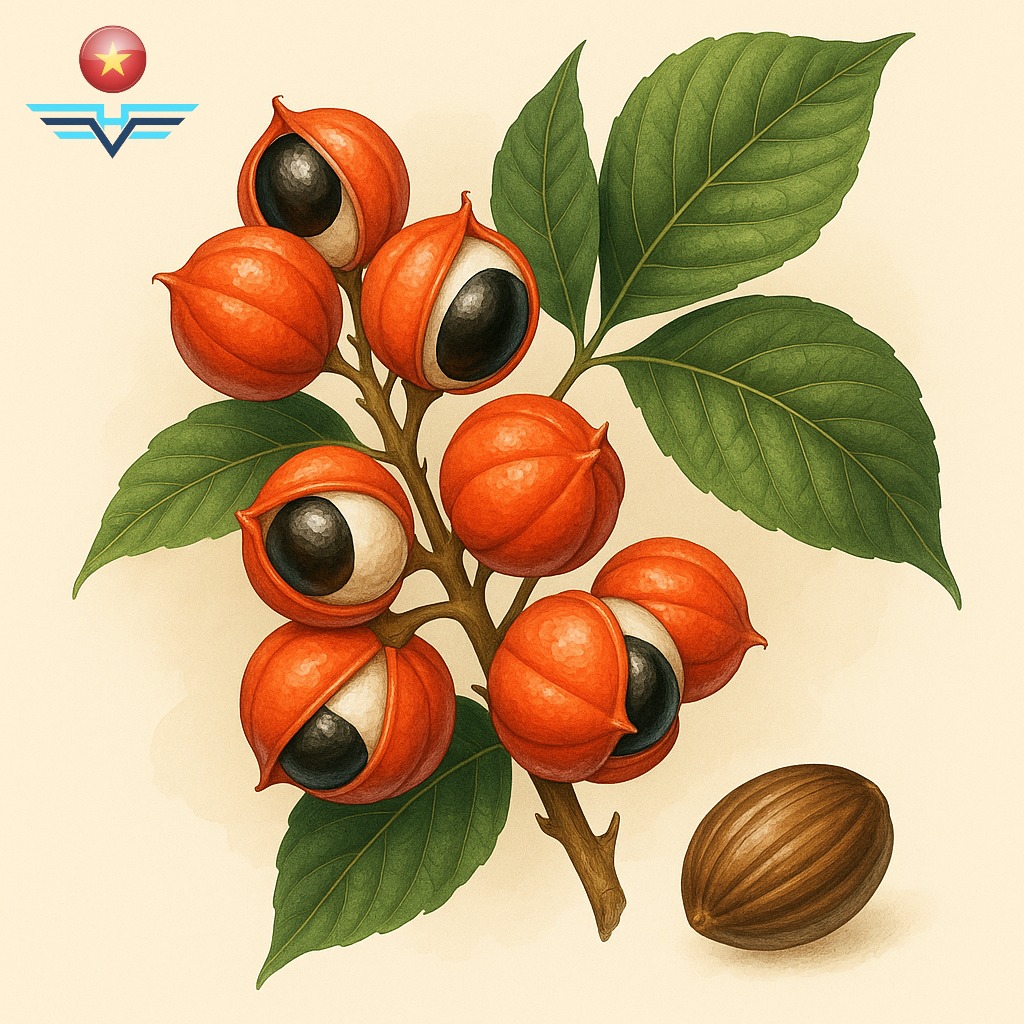
Found in many energy drinks and soft beverages, this Amazonian seed packs 4–6 times more caffeine than coffee beans—and it comes with a range of science-backed health benefits.
Guarana (Paullinia cupana), a climbing plant native to the Amazon basin, produces small red fruits containing black seeds encased in a white aril. Traditionally used in herbal medicine, guarana is now available as extracts or powders thanks to its therapeutic properties.
9 Science-Backed Health Benefits of Guarana
-
Rich in Antioxidants
Guarana contains caffeine, theobromine, tannins, saponins, and catechins—antioxidants similar to those in green tea. These compounds help neutralize free radicals that drive chronic disease, cancer, and premature aging. -
Reduces Fatigue and Improves Focus
With caffeine levels 4–6 times higher than coffee beans, guarana blocks the relaxing effects of adenosine in the brain, helping you stay alert and energized. Research shows it can sharpen reaction time, boost memory accuracy, and enhance overall cognitive performance. -
Supports Weight Loss
Caffeine in guarana can raise metabolic rate by 3–11% for up to 12 hours, encouraging the body to burn more calories. Early lab studies also suggest guarana may suppress genes that create fat cells and activate genes that slow their growth. -
Eases Digestive Issues
Traditionally used as a natural remedy for chronic diarrhea and constipation, guarana’s tannins provide antibacterial and antiviral effects, while its caffeine can gently stimulate bowel movements. -
Promotes Heart Health
Antioxidants in guarana improve blood flow and help prevent blood clots. One review found that adults consuming guarana had up to 27% lower levels of oxidized “bad” LDL cholesterol, which may reduce arterial plaque buildup. -
Natural Pain Relief
Guarana’s high caffeine content can block adenosine receptors (A1 and A2a) associated with pain signaling, which is why caffeine is often included in over-the-counter pain relievers. -
Potential Anti-Cancer Properties
Animal and lab studies show guarana can protect DNA and slow tumor growth—mice given guarana had 58% fewer cancer cells and five times higher cancer-cell death rates. Researchers attribute these effects to xanthines, compounds related to caffeine and theobromine. -
Antimicrobial Action
Caffeine, catechins, and tannins in guarana exhibit strong antibacterial effects, inhibiting harmful microbes such as E. coli and Streptococcus mutans, which can cause dental plaque and cavities. -
Protects Vision as You Age
Guarana’s antioxidants may help defend against age-related eye disorders—such as macular degeneration, cataracts, and glaucoma—by reducing oxidative stress in ocular tissues.
Possible Side Effects
Guarana is generally safe at low to moderate doses. But because it’s extremely high in caffeine, overuse can lead to the same side effects as excessive coffee: rapid heartbeat, insomnia, headaches, anxiety, tremors, or stomach upset. Caffeine can also be habit-forming.
Pregnant women should avoid or limit guarana, since caffeine crosses the placenta and may increase miscarriage risk. Those who are breastfeeding, elderly, have liver problems, arrhythmias, or take seizure medications should consult a healthcare professional.
While there is no official recommended dosage, most human studies show benefits at 50–70 mg of guarana extract per day. Always consider your personal caffeine tolerance and seek medical advice before adding guarana supplements to your diet.