
Many readers have asked about the TAS (Trade-at-Settlement) order, through emails, phone calls, and online posts on Y5cafe. This is an important question for understanding how to place buy and sell orders on stock and futures markets.
There are many types of orders, and to avoid confusion and distraction when working with the market and its screens, it’s essential to clarify the different kinds of orders, as there can be thousands of orders placed daily, even hundreds at once.
When placing an order, the trader must specify whether it’s a buy or sell order, how many lots (contracts) they are trading, which month and year the trade pertains to, and what price they are targeting. For example, the Robusta European market trades odd months of the year, sometimes through to the end of 2016, while the Arabica market can trade until 2018.
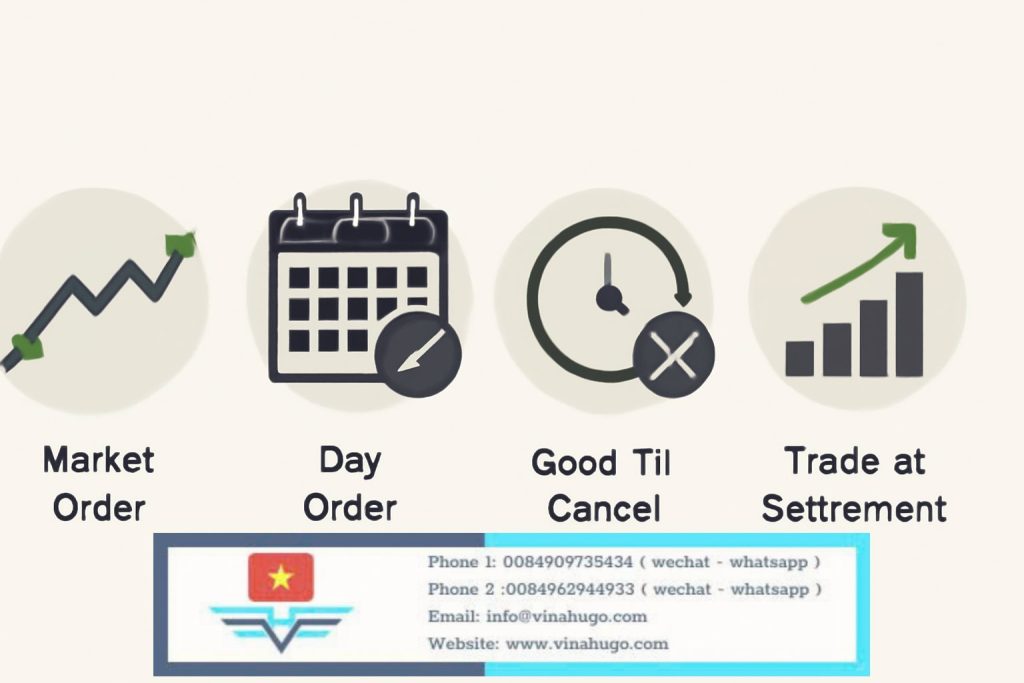
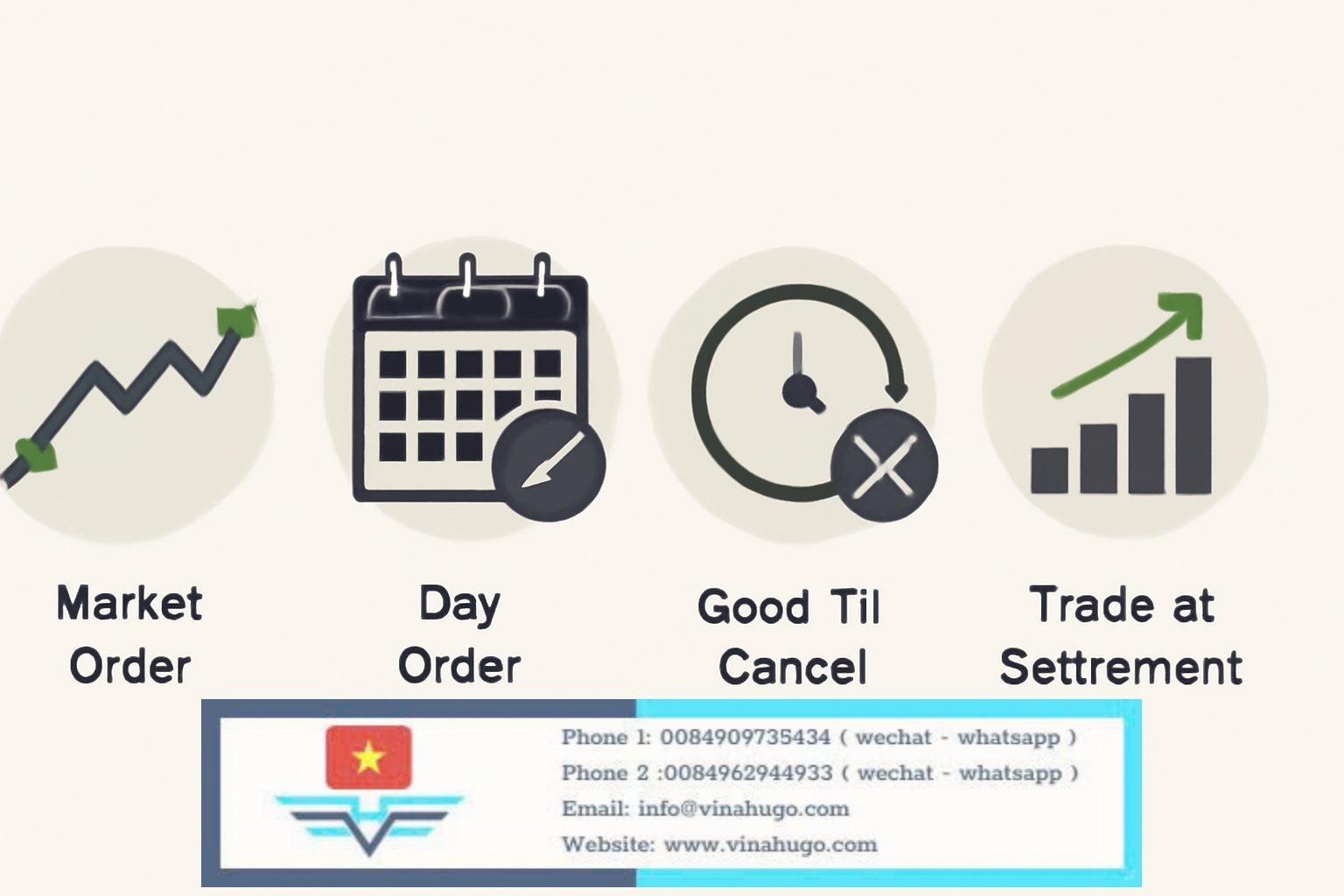
1. Market Order
Table of Contents
A market order is the simplest form of order. When you want to buy or sell at the “market price,” you are buying or selling at the price displayed on your screen (with some delay depending on the connection to the exchange). A market order will be executed immediately without waiting. However, be aware that during periods of high volatility, when you place a market order, the price may match at a level you did not expect. For example, if you place a sell order at market price, and the price on the exchange drops further, or if you place a buy order, the price may continue to rise.
2. Day Order or Good-For-Today (GFD)
This type of order is valid only for the current trading day. If the order is not executed by the end of the day, it expires automatically when the exchange closes.
For instance, on May 1st, 2015, if you place a “sell” order with a “good-for-today” condition at 1807 for July 2015, and the price doesn’t reach 1807 by the end of the day, the order will cancel automatically at market close. However, sometimes even if the price appears on the screen, your order might not execute, especially at peak or trough levels.
3. Good-Til-Cancelled (GTC)
A GTC order is placed when you are not in a rush and can afford to wait. If the order is not executed today, it will remain active until you cancel it. For example, a week ago, you placed a buy order for July 2015 at 1720, and it hasn’t been executed yet. Next Tuesday, if you think the price may drop further, you can cancel your original order and place a new one at a lower price.
4. Trade-at-Settlement (TAS)
This is a type of order that has been used by many exchanges, but it was only recently introduced on the Robusta ICE market on May 5. The TAS order allows participants to buy or sell just before or during market close at a price that is 5 USD higher or lower than the closing price.
For example, on May 1st (even though the TAS order was not yet in effect, this is an example using the closing price), the market closed at 1772. If you placed a TAS buy order at 1777 or 1767 at around 19:30, and the market closed at 1772, your order would be matched because it is within the +/- 5 USD tolerance. This offers you a chance (and risk) to predict whether the price will go up or down the following day, allowing you to buy or sell based on the TAS order.
We have tried to explain these orders in the simplest way possible. If you have a better or easier explanation, feel free to share it for others to understand.