
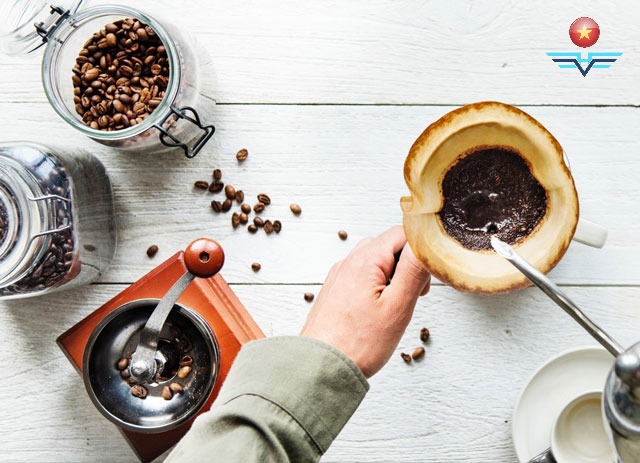
The modern definition of specialty coffee centers on its origin and how that factor shapes the coffee’s flavor.
Innovation that Changed Coffee
The United States was the birthplace of key innovations that turned coffee into an affordable household product worldwide.
In 1900, a company called Hill Bros began vacuum-packing coffee. Extending shelf life this way meant fewer families had to roast their own beans, but it also made life harder for small local roasters.
A year later, Japanese chemist Satori Kato patented a method for making instant coffee. For decades he was credited as the first to produce it, though later evidence points to David Strang of New Zealand in 1890. This method prioritized convenience over quality, yet it made coffee drinking far easier—if not necessarily cheaper—for many people. Today, instant coffee remains extremely popular around the world.
In Europe, the key breakthroughs focused on café coffee rather than home brewing. Many people claimed to have invented the first espresso machine, but patent applications for similar principles began in 1884. Luigi Bezzera registered his patent in 1901 and is often credited with the invention.
These machines allowed café operators to produce many cups of coffee with a consistency and concentration similar to filter coffee. The major leap came with the use of a large spring to create very high pressure—an innovation patented by Achille Gaggia in 1945, though how he secured the patent is somewhat unclear.
This high-pressure brewing method produced the espresso we know today: a small, concentrated cup topped with a dark brown foam called crema. The explosion of espresso bars in the 1950s and 1960s carried as much cultural significance as the amount of coffee consumed. From a technical perspective, espresso was ideal for cafés because a single machine could quickly create an entire menu of coffee drinks.
Coffee Today
It’s impossible to talk about modern coffee culture without mentioning Starbucks. Originally a single Seattle shop roasting and selling beans, it was completely transformed into a global phenomenon by Howard Schultz.
Schultz said he was inspired by his travels to Italy, though the Starbucks experience would feel unfamiliar to most Italians. Yet Starbucks and similar companies paved the way for today’s specialty coffee movement. They turned coffee into a widespread out-of-home beverage and raised expectations for what people would pay for a cup. The company remains hugely influential and is a driving force in shaping coffee habits in emerging markets such as China.
Today, what defines specialty coffee is its focus on origin—where the beans come from and how that affects flavor. This focus shapes how cafés source, brew, and serve coffee. Drinking coffee has evolved from a simple morning stimulant into a statement of identity, values, and conscious consumption. Coffee has now woven itself into countless cultures across the globe.