
What is FOB Price?
Table of Contents
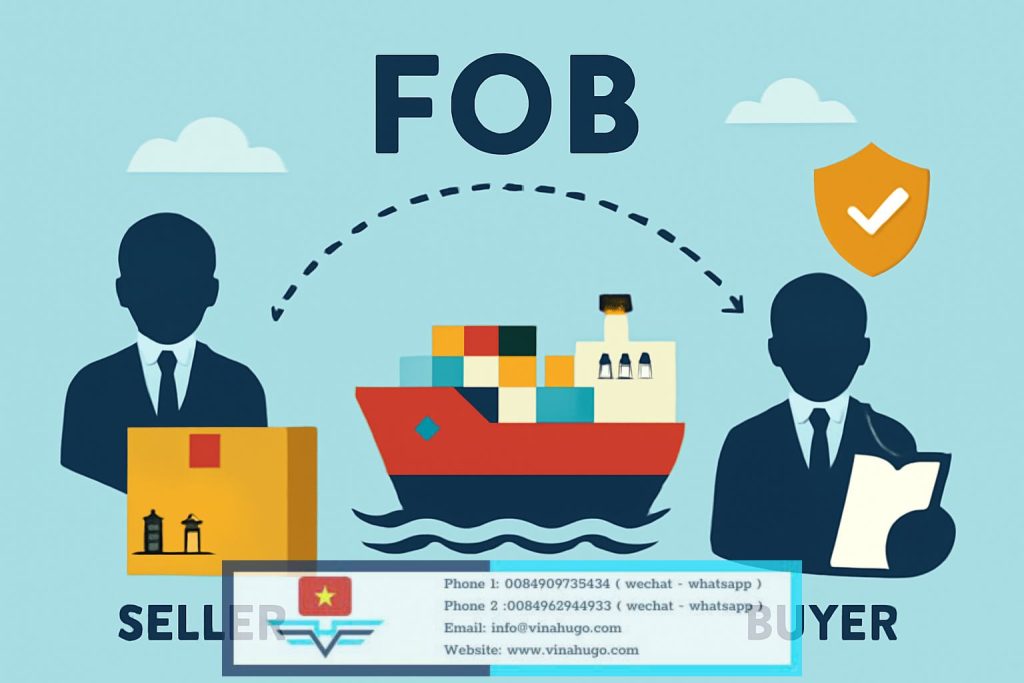
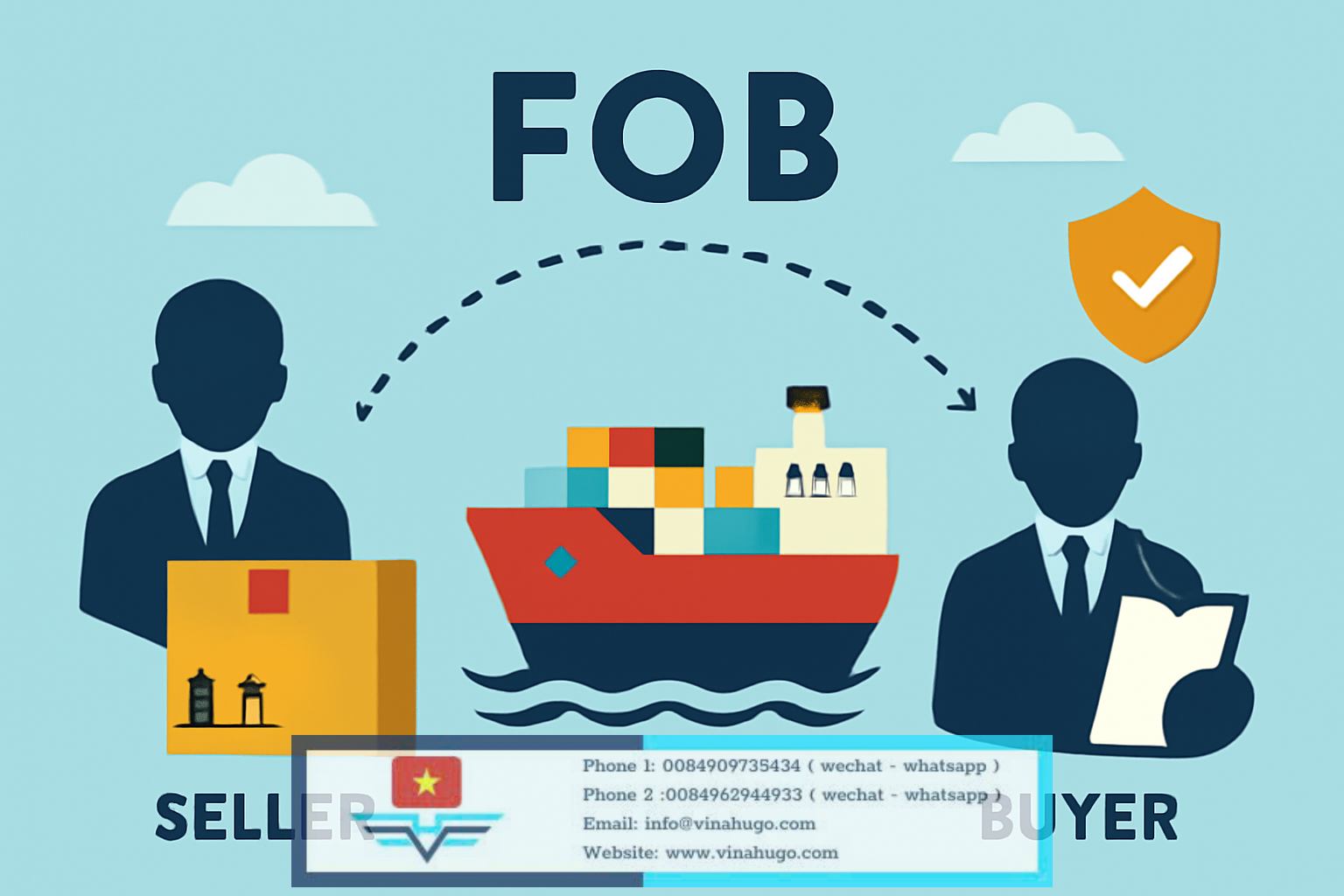
FOB, which stands for Free On Board, means that the seller is responsible for delivering the goods to the port of departure and placing them on board the ship. Once the goods cross the ship’s rail at the loading port, the risk and responsibility shift to the buyer.
In international trade, this term indicates the specific loading port, such as “FOB New York” or “FOB Ho Chi Minh.” Other costs such as shipping, insurance, and transportation are the buyer’s responsibility.
The ship’s rail is the point where the risk transitions under the FOB condition. Goods must endure several days at sea, and natural factors such as tsunamis or rare occurrences like piracy can impede transportation, potentially resulting in the total loss of goods. Under FOB conditions, the seller is not responsible for any loss, so the buyer is required to purchase insurance for the shipment.
How is the FOB Price Calculated?
The FOB price refers to the price at the seller’s port, which includes the cost of transportation to the port, export procedures, taxes, and other expenses before the goods are loaded onto the ship. This price does not cover sea freight or maritime insurance.
Rights and Obligations
Seller’s Responsibilities
-
Declare and clear customs for the shipment.
-
Pack the goods and deliver them to the port, loading them onto the ship designated by the buyer.
-
Pay for local charges (such as THC, seal, and bill fees) at the loading port.
-
Bear responsibility for any costs incurred before the goods are loaded on the ship.
Buyer’s Responsibilities
-
Arrange for the ship and provide the seller with the relevant booking information, including the shipping date and loading location.
-
Pay local charges (like THC and D/O fees) incurred at the arrival port when the goods reach their destination.
Local Charges
These are fees paid at both the loading and unloading ports. Both the shipper and consignee are responsible for these fees, which can vary by shipping company and port.
D/O Fees
Stands for Delivery Order fee, which is charged when the goods arrive at the destination port. The shipping company or forwarder issues a D/O, allowing the consignee to present it to customs and collect the goods.