
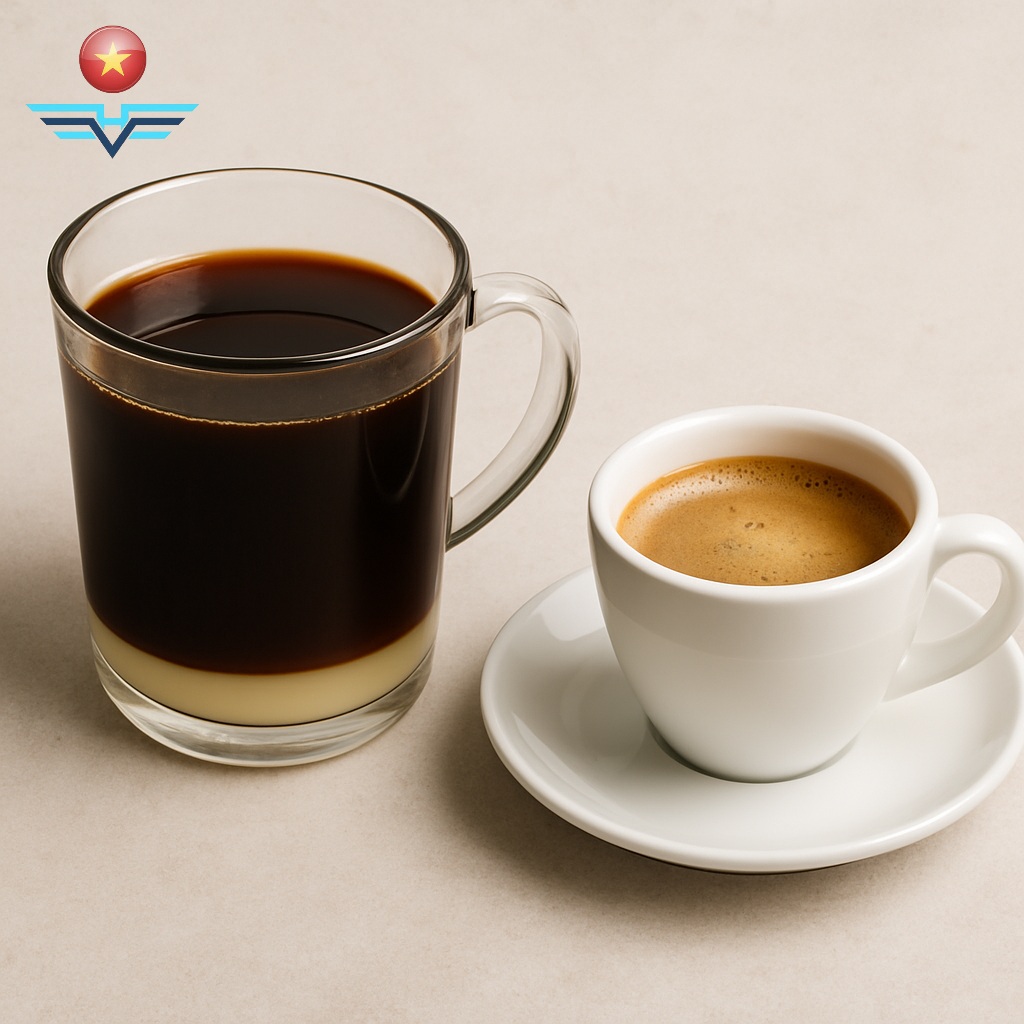
A 250 ml cup of traditional Vietnamese drip coffee provides about 2.4 kcal, while a 60 ml shot of espresso contains roughly 5.4 kcal.
Similar Nutritional Profiles
Table of Contents
If consumed plain (without sugar, milk or cream), both espresso and drip coffee offer nearly the same nutritional value. Each provides small amounts of B-vitamins, magnesium, and manganese, and both are rich in antioxidants. Research consistently shows that coffee—regardless of brewing method—can help lower the risk of type 2 diabetes, Parkinson’s disease, certain liver conditions and some types of cancer.
Caffeine Content: Espresso Packs a Stronger Punch
Measured by volume, espresso contains far more caffeine.
-
About 40–75 mg caffeine per 30 ml shot—so a typical 60 ml double shot can reach ~127 mg.
-
By comparison, a 250 ml cup of drip coffee has about 85–125 mg total.
This means espresso delivers roughly five times more caffeine per milliliter, which can create a quicker boost in alertness and energy. Both drinks are also available in decaf form: a 60 ml espresso has about 0.6 mg caffeine, while 250 ml of decaf drip contains roughly 2.4 mg.
Energy and Calories
While both are mostly water, espresso is slightly more calorie-dense because it is more concentrated:
-
250 ml drip coffee → ~2.4 kcal
-
60 ml espresso → ~5.4 kcal
Adding sugar, milk or cream significantly increases the calorie load for either.
Antioxidant Levels
Coffee naturally contains antioxidants such as flavonoids, polyphenols, chlorogenic acid, caffeic acid, and n-coumaric acid, which help neutralize free radicals and reduce oxidative stress. The exact antioxidant content varies with bean quality, roast, freshness, brewing method, and even soil conditions. In general, both espresso and drip coffee are potent sources of antioxidants; no method is clearly superior.
How Much Coffee Is Safe?
For most healthy adults, 250–400 mg of caffeine per day (around 2–3 cups of coffee) is considered safe. People with chronic heart conditions or arrhythmias should consult a doctor first, as caffeine can increase heart rate and stimulate the digestive system.
Pregnant women should also be cautious: even decaf contains a small amount of caffeine (2–7 mg per cup).
Summary: Nutritionally, neither brewing method is inherently “healthier.” Espresso provides a stronger caffeine hit per sip, while drip coffee gives a similar total dose in a larger, milder cup. For most people, the healthiest choice depends less on the brewing style and more on total daily caffeine intake and how much sugar, milk, or cream is added.