
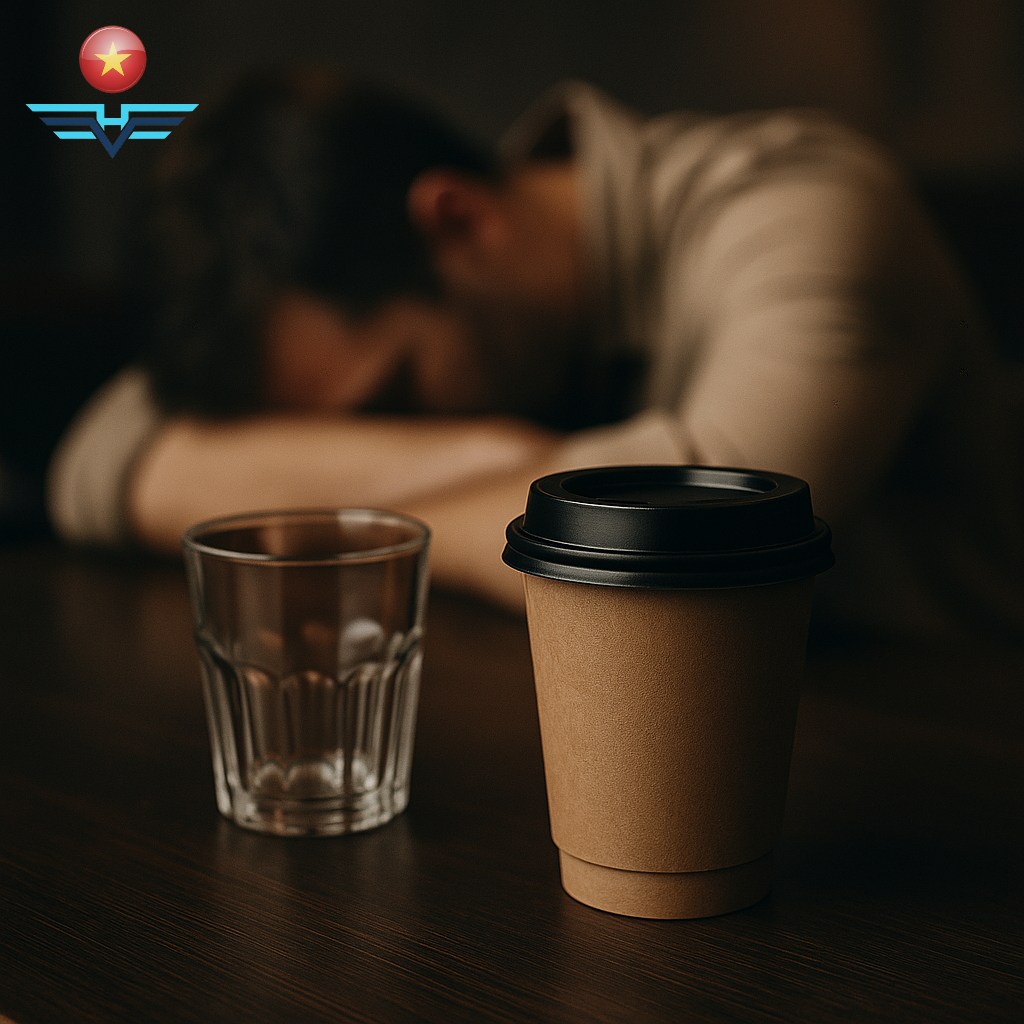
Drinking coffee while you’re still intoxicated can actually make your hangover symptoms worse. Here, registered dietitian Laura Burak—founder of GetNaked Nutrition in the U.S.—explains why you should skip coffee until you’ve fully sobered up, according to Live Strong:
1. It Doubles Dehydration
Table of Contents
Dehydration is the main reason for the fatigue, nausea, and dizziness that follow drinking. Having a morning cup of coffee before you’ve rehydrated can make the fluid loss even worse, intensifying headaches and overall discomfort.
2. It May Increase Anxiety
According to Northwestern Medicine (U.S.), alcohol disrupts dopamine levels and other neurotransmitters, which can negatively affect your mood the next day. Adding caffeine on top of that can heighten nervousness and jitteriness, making you feel even more anxious, Burak warns.
3. It Can Aggravate Digestive Problems
Strong alcohol can irritate your stomach, causing nausea, vomiting, and abdominal pain. Coffee can double down on these issues. Burak explains: “Alcohol can upset the digestive tract, and coffee does the same.”
Caffeine stimulates intestinal contractions and increases stomach acid. The natural oils and acids in coffee can trigger bloating, heartburn, and acid reflux. If you’re experiencing stomach pain, Burak recommends avoiding coffee and drinking plenty of water to help flush out toxins.
4. It Can Disrupt Sleep
While alcohol may make you drowsy at first, it interferes with sleep quality later in the night. Adding another stimulant such as caffeine only worsens this effect. Regularly mixing alcohol and caffeine can lead to chronic sleep deprivation.
5. Better Drinks to Rehydrate
To recover and replace lost fluids and electrolytes, Burak suggests:
-
Plain water
-
Electrolyte drinks
-
Sports drinks (in moderation to avoid excess sugar)
-
Natural fruit juice with no added sugar
These options help your body detox and rehydrate far more effectively than coffee.