
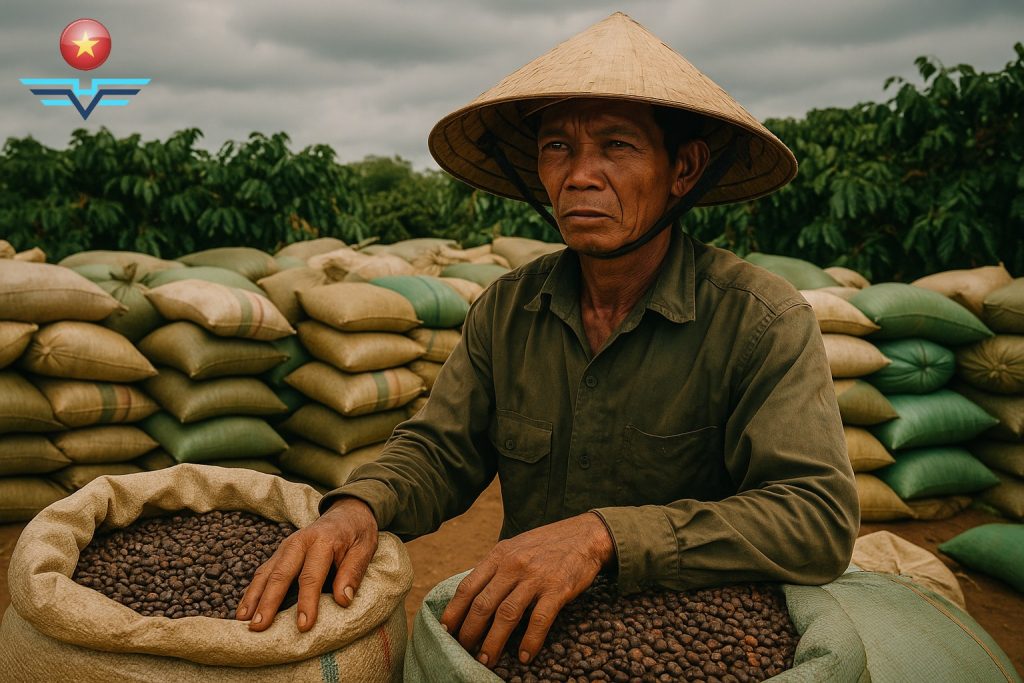
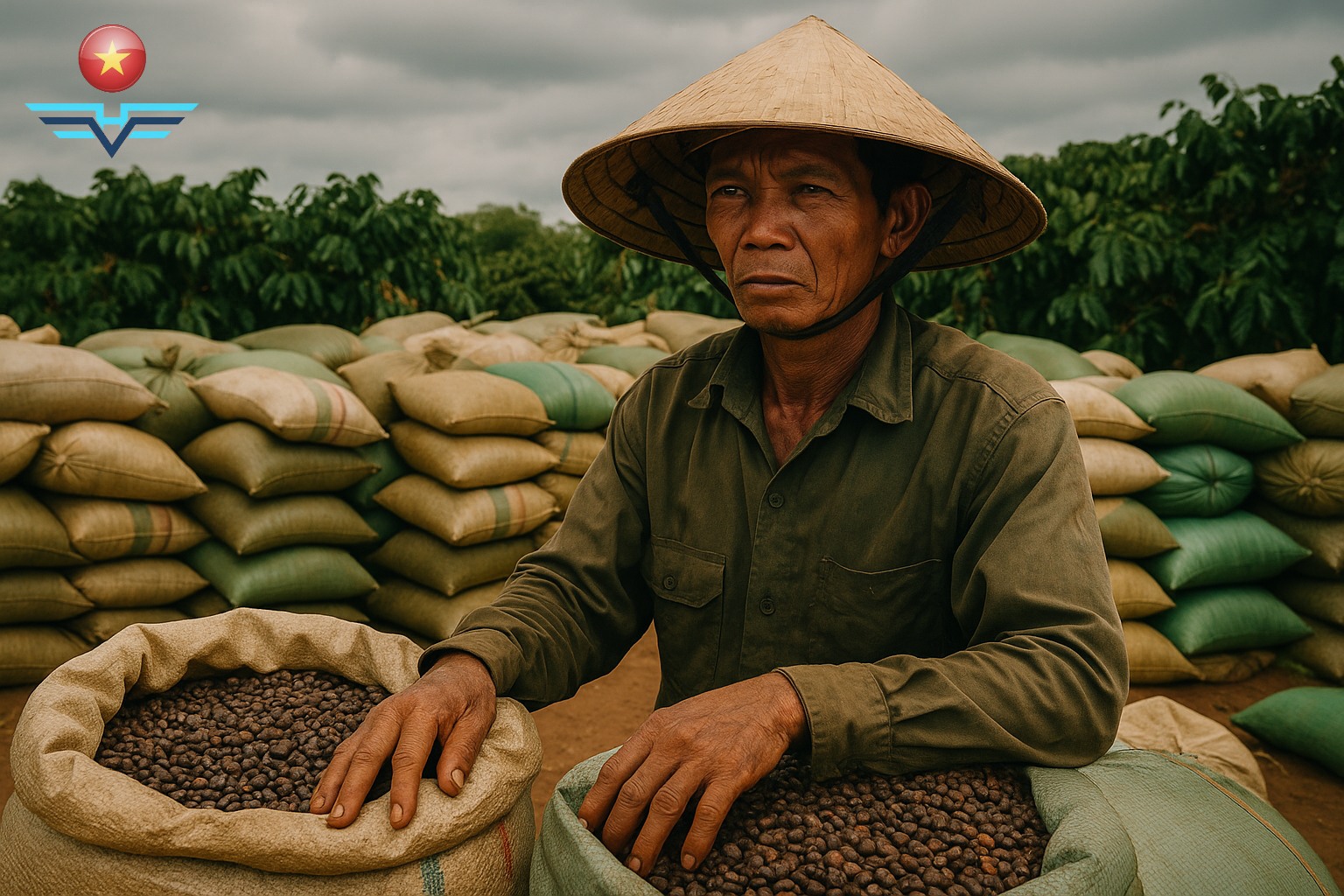
“If farmers avoid falling into the trap of distorted market rumors and actively choose the right time to sell, the power to set the price of agricultural products will gradually shift into their hands.”
This is the assessment of Đỗ Hà Nam, Chairman of the Vietnam Pepper Association and Vice Chairman of the Vietnam Coffee–Cocoa Association, during our interview.
Strong Export Performance
Table of Contents
“Coffee and pepper are two of Vietnam’s key export commodities. Over the past 11 months, pepper exports reached 110,000 tons, earning about USD 750 million—a 6.1% increase in value compared with the same period in 2011.
For coffee, the 2011–2012 crop year is estimated at over 1.6 million tons, with exports hitting a record 1.5 million tons, bringing in about USD 3.1 billion—up 23% in volume and 24% in value year-on-year.
Vietnam’s pepper accounts for 40–50% of the world’s traded volume, while its robusta coffee makes up about 70% of global robusta output, giving the country significant leverage over export prices,” Mr. Nam explained.
Challenges to Maintain Market Position
“Product quality remains a major concern. Some small businesses, driven by short-term profit, neglect quality standards, which affects the industry’s overall reputation.
Additionally, domestic consumption is still weak, and the linkages between processors, farmers, and enterprises are loose. This leaves farmers bearing the brunt of market volatility,” he warned.
Avoiding Market Manipulation
“In past years, before the harvest season, many foreign traders spread rumors that Vietnam was having a bumper crop and harvesting early.
These rumors triggered a wave of panic selling by farmers and local traders, creating an artificial surplus and driving prices down—precisely the outcome those traders sought to buy cheaply.
Moreover, farmers often sell immediately after harvest to repay debts, reinvest for the next crop, or cover year-end expenses, which typically causes prices to fall during that period,” Mr. Nam said.
Strategies for Farmers to Gain Pricing Power
“This year, however, farmers have learned to stockpile processed coffee and pepper, releasing small quantities according to market movements. This has helped stabilize the market and regulate prices,” he noted.
Policy Support Needed
“To help farmers build reserves, government support is essential:
-
Offer preferential loan rates for farmers who have the capacity to store their harvest.
-
For those without enough capital, allow them to deposit their products and borrow cash at low interest rates.
To implement these measures effectively, businesses and banks must work together to provide the necessary support.
These steps will minimize losses at the start of the season and enable farmers to **gain more control over the prices of their products,” Mr. Nam concluded.